
Last updated November 23, 2026
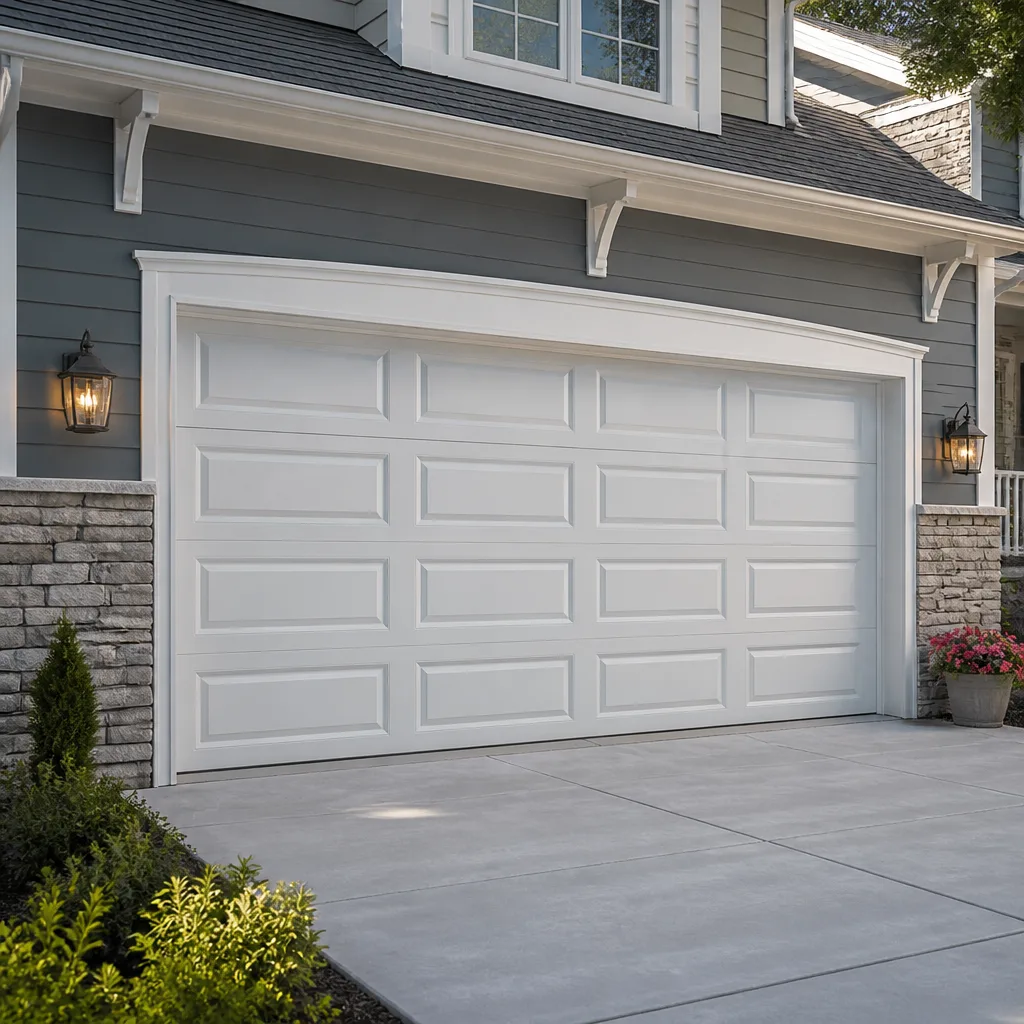 Raised-panel steel
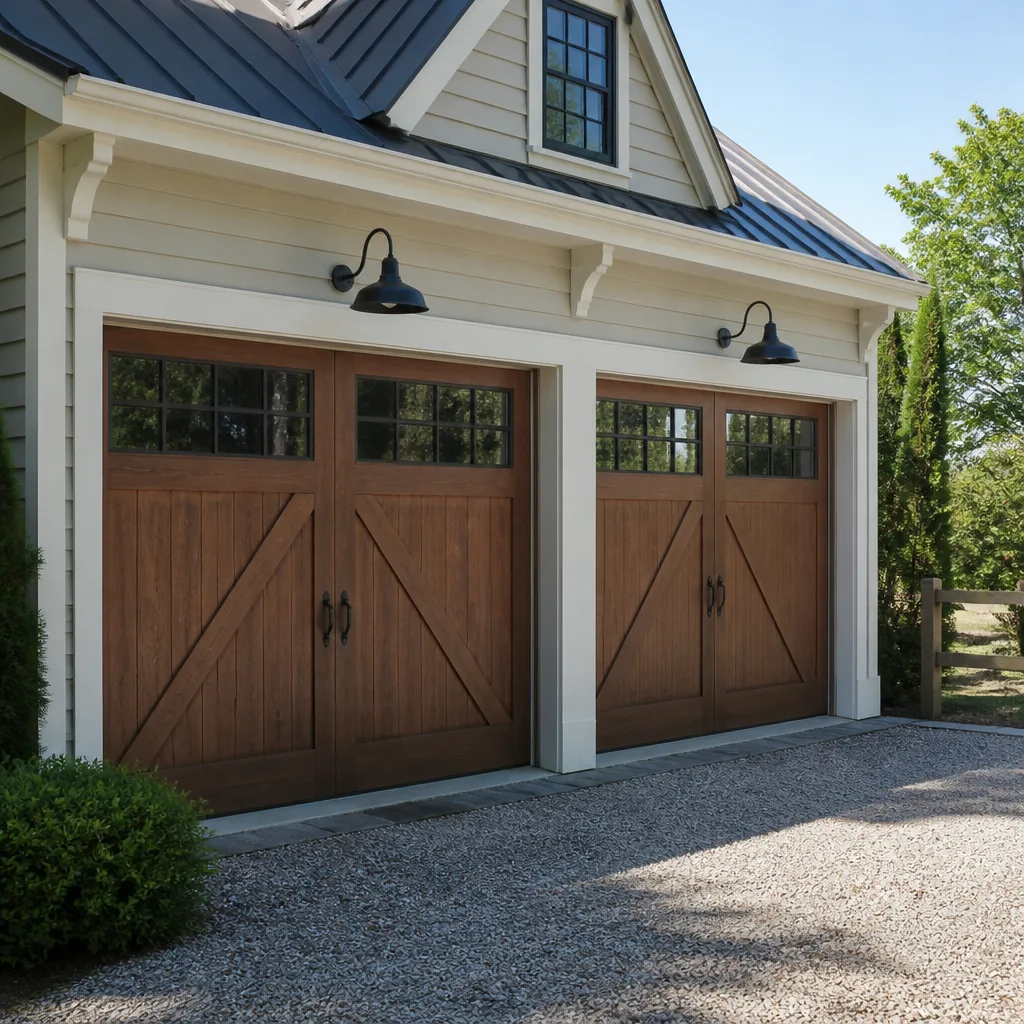 Carriage house
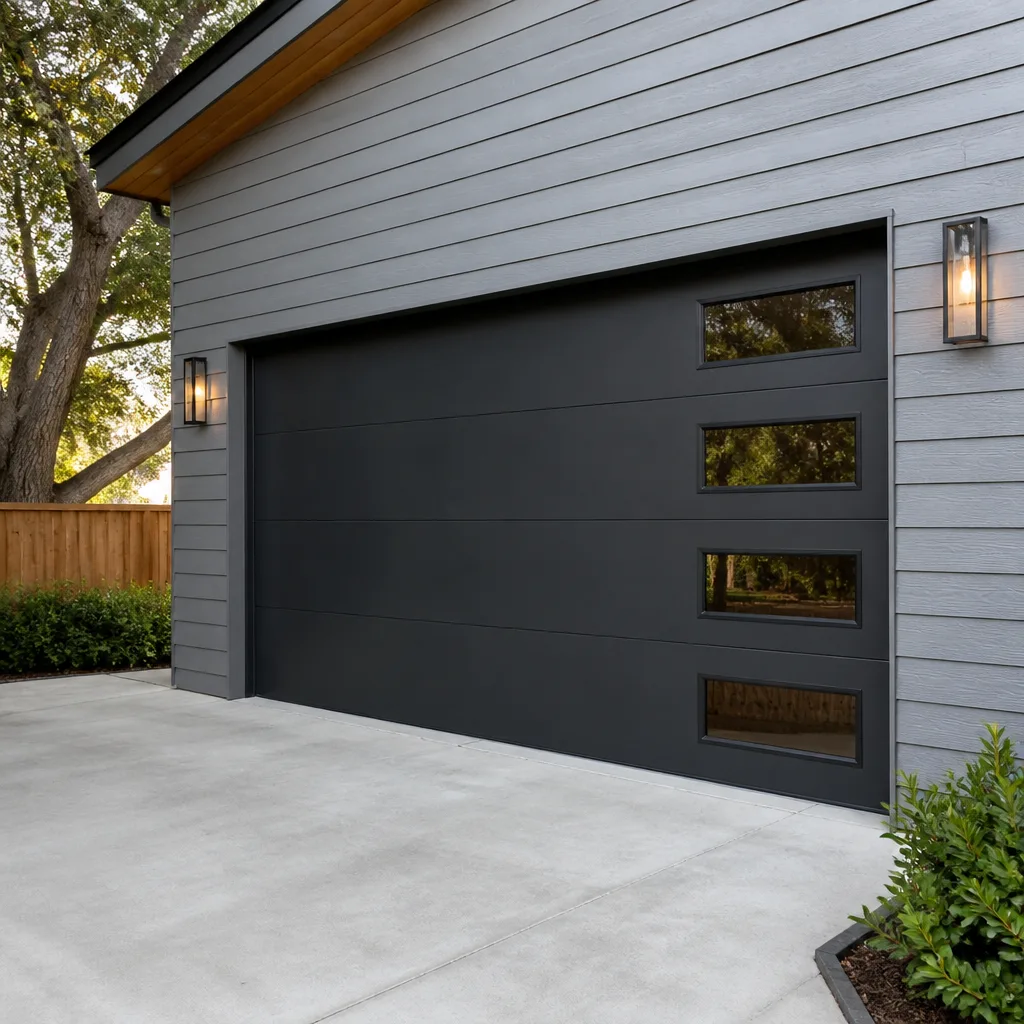 Modern flush
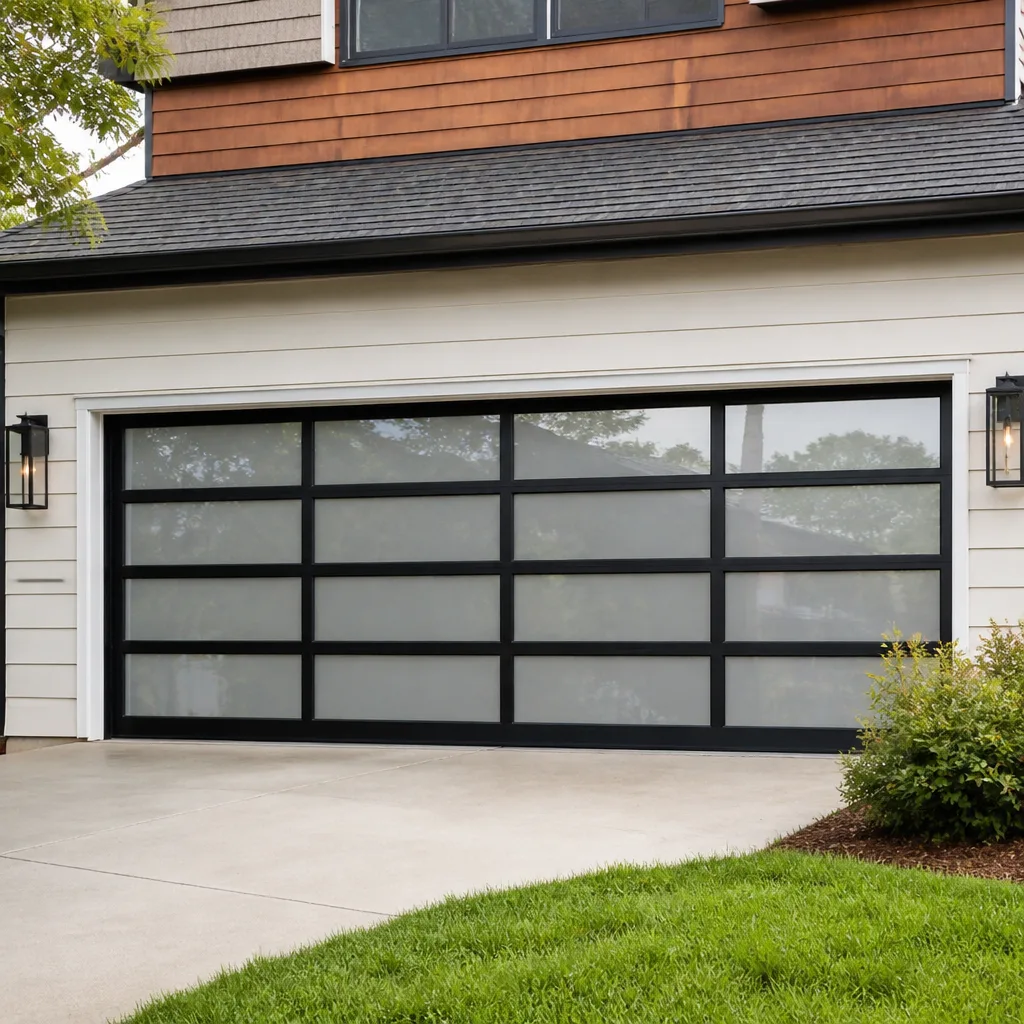 Full-view glass
 LiftMaster openers
 Chamberlain openers
Full 25-point door and opener safety check with every visit - springs, cables, rollers, tracks, and your LiftMaster or Chamberlain opener included
You get a price before we start. It does not change when the pro arrives.
Get your free estimateDIY vs Professional Garage Door: The Pawtucket Homeowner’s Decision Guide
Most garage door advice splits into two useless camps: “never touch it, call a pro” or a cheerful video that makes spring replacement look like a weekend project. Neither helps you decide. The real question isn’t whether you’re handy enough. It’s whether the specific task in front of you carries physical risk that skill and confidence don’t remove. Some jobs on a garage door are genuinely fine for a careful homeowner with a step ladder and an afternoon. Others can hurt you badly the moment something slips, no matter how many videos you’ve watched. This guide draws that line task by task, so you know exactly what to handle yourself in Pawtucket and what to hand off.
Styles & brands we work with
- Raised-panel steel
- Carriage house
- Modern flush
- Full-view glass
- LiftMaster openers
- Chamberlain openers
Quick Answer
Lubrication, weather seal replacement, safety sensor alignment, and opener reprogramming are safe DIY tasks for most homeowners. Torsion and extension spring work, cable replacement, and any repair involving the door’s balancing system are not DIY-safe and should go to a trained technician. Everything in between, like roller swaps and panel work, depends on your comfort and the door’s condition. It’s not just a matter of skill; the stored energy in a torsion spring can hurt even very experienced people. When in doubt, get a free estimate from a pro before you start.
Table of Contents
- Where the Real Line Sits: Risk, Not Skill
- Tasks That Are Genuinely DIY-Safe
- Tasks That Need Care and Research
- Tasks You Should Not Attempt, Regardless of Confidence
- Why Spring Repair Warnings Are Real: Understanding the Energy
- Cost-Benefit: When DIY Actually Saves You Money
- How to Diagnose the Problem Before You Call
- What to Tell a Technician When You’ve Already Tried a Repair
- Common Mistakes to Avoid
- When to Call a Professional
- Frequently Asked Questions
- The Bottom Line
Where the Real Line Sits: Risk, Not Skill
The DIY-versus-pro question gets framed as a test of competence. Framed that way, it’s easy to talk yourself into anything. You’ve replaced a faucet, you’ve rewired a lamp, so surely a garage door roller is no big deal. But the risk profile of a garage door doesn’t track with general handiness. It tracks with stored mechanical energy, and that’s a different thing entirely.
A torsion spring on a standard residential door is under tension at all times. That tension is what balances the door’s weight so a person can lift it by hand. When a spring is wound and properly set, the energy is contained. When it fails, is released improperly, or is adjusted with the wrong tool, that energy goes somewhere. Sometimes it goes into the winding bars, sometimes into the door, and sometimes into the person standing in front of it. That’s a mechanical fact, not a scare tactic. It doesn’t change based on how cautious you are.
Here in Pawtucket, we see a lot of older homes with original or partially updated doors. That matters because older hardware doesn’t always come apart the way you expect. A bolt that looks sound can be seized, a cable can be frayed where you can’t see it, and spring hardware from a previous repair may not match the door. For a homeowner working on a door in a Pawtucket triple-decker or a century-old colonial, the unknowns stack up faster than they would on a newer build. Skill helps with the handling. It doesn’t remove the energy or the unknowns.
So the practical split is this: sort tasks by what happens if something goes wrong, not by how hard they look. Some jobs on a garage door fail safely, leaving you with a door that still opens or a panel that’s still attached. Others fail with force. That distinction is the entire guide, and it’s the same one we use when a customer in Pawtucket asks us whether they should try something themselves.
Tasks That Are Genuinely DIY-Safe
Here’s the good news. Several common garage door jobs carry almost no meaningful risk when you follow the manufacturer’s instructions. These are the ones a careful Pawtucket homeowner can reasonably take on with basic tools and a bit of patience. They also happen to be the jobs that keep a door running smoothly between bigger repairs.
The safe zone looks like this:
- Lubricating hinges, rollers, and the track. A garage door is a mechanical system with multiple moving parts, and dry parts wear faster. A light application of a garage door lubricant on hinges and roller stems, not on the track surface itself, reduces noise and friction. This is a ten-minute job.
- Replacing the bottom weather seal. The rubber seal along the bottom of the door wears out and lets in drafts, water, and pests. A replacement seal is inexpensive and slides into the retainer on the bottom section. No spring work involved.
- Aligning safety sensors. If the door won’t close and the opener light is blinking, the photo-eye sensors near the floor may be misaligned, dirty, or blocked. Wiping the lenses and nudging them back toward each other is something any homeowner can do.
- Reprogramming a remote or keypad. If your LiftMaster, Chamberlain, or Genie opener has lost its remotes, the manual walks you through the pairing process. This is a programming task, not a mechanical one.
- Adjusting the opener’s travel or force limits. Most openers let you set how far the door travels and how much force it applies. The manual explains the buttons and the dial. If you’re not sure the door is reversing properly, this is worth checking before you assume the opener is failing.
- Cleaning the tracks. A dry cloth or a soft brush removes grit and debris from the tracks. Don’t grease the tracks; garage doors are designed to run on clean, unlubricated tracks.
None of these tasks require you to go near the springs, the cables, or the brackets that hold the door’s weight. That’s why they’re on this list. Take your time, follow the manual for your specific brand, and don’t force anything. A door in Pawtucket that’s noisy or drafty often just needs a few of these basics.
Tasks That Need Care and Research
Then there’s the middle ground. These jobs aren’t automatically dangerous, but they’re not the same as wiping down a sensor either. They need research, the right tools, a second set of hands in some cases, and a real decision about whether the savings justify the effort. This is where most homeowners overestimate what they’ll save.
Tasks in this category include:
- Replacing rollers. Rollers wear out and cause a door to grind or jump. Swapping them means relieving the door’s tension by lifting it partially and blocking it securely, then removing and replacing the roller. It’s doable, but a door can come down unexpectedly if it isn’t properly supported. The roller stems sit in brackets that can be under load.
- Replacing a single damaged panel on a sectional door. Panel replacement is more about matching than mechanics. Clopay and Amarr, for example, run specific panel profiles and colors, and a mid-generation match isn’t always available. If the panel you’re replacing is the bottom section, the springs may need adjustment afterward because the door’s weight has changed.
- Adjusting the door’s balance. If the door feels heavy or won’t stay at the halfway point, that points to spring tension. For a homeowner, this is where a “care and research” task quietly becomes a “don’t attempt” task. We’ll explain why in the next section.
- Replacing the opener itself. Installing a new opener means mounting, wiring, setting travel limits, and matching the new unit to the door’s weight. A homeowner who’s comfortable with low-voltage wiring and reading a manual can manage it. But if the door isn’t balanced, a new opener won’t fix the underlying problem, and a paired install is often where a technician earns the visit.
Here’s the honest cost-benefit. On a simple roller swap, the labor is modest, and the real saving comes from not buying a service visit. On anything involving balance or the bottom section, hiring out usually wins. When a repair isn’t straightforward, a written estimate from a pro is free and often reveals a cheaper path than trial and error. That’s the math that keeps most Pawtucket homeowners out of trouble on these middle-ground jobs.
Tasks You Should Not Attempt, Regardless of Confidence
Some garage door jobs cross into territory where confidence is a liability. These are the tasks where a mistake has a track record of sending people to the hospital. We don’t say that to sell a service. We say it because our technicians, many with up to 12 years of experience, treat these jobs with real care, and there’s no reason a homeowner should take on the risk that a trained pro treats as serious work.
The do-not-attempt list:
- Torsion spring replacement or adjustment. This includes winding, unwinding, and replacing the spring or springs mounted above the door. The spring is under high tension and must be wound with the right size bars and held securely while adjustments are made. If the bar slips or the spring lets go, the force is enough to cause serious injury. This is the single highest-risk job on a garage door.
- Extension spring replacement. Extension springs run along the horizontal tracks and also store energy, though differently from torsion springs. They can fail violently, and they’re often paired with safety cables precisely because of that. Replacement means working around loaded springs and cable attachment points.
- Cable replacement or re-cabling. Cables run under tension and hold the door’s balance. A cable that lets go can whip and cause injury. If a cable is frayed or broken, the door isn’t safe to operate, and the repair involves both the cable and the spring system that loads it.
- Replacing or adjusting the brackets that hold springs and cables. These aren’t just hardware. They’re the anchor points for loaded components. Removing one while the door is tensioned can release stored energy. Only a trained technician should touch them.
- Any work on a door whose spring has already snapped. A door with a broken spring is not safe to lift or operate. A broken spring transfers the door’s weight onto the opener and cables, and the door can drop. If you hear a loud bang from the garage and the door won’t lift, don’t try to force it.
If you’re in Pawtucket and you’re not sure whether a task falls on this list, the safer default is to stop. There’s no prize for taking on a spring replacement alone, and there’s a real reason spring repair is offered as a dedicated service. The risk isn’t abstract. A trained tech can handle what a homeowner shouldn’t.
Why Spring Repair Warnings Are Real: Understanding the Energy
You’ve probably seen the warnings on every garage door video and product page. They can read as boilerplate. It helps to understand what’s actually happening, because the physics is the reason the warnings exist.
A torsion spring stores rotational energy when it’s wound. The energy is what lifts the door, freeing you from needing to raise a few hundred pounds by hand. Imagine a wind-up toy that’s been wound way past what the toy was built for, then add the fact that the spring is a long piece of high-tension steel. When it fails, it doesn’t just sag. It releases that energy suddenly, and the spring itself can whip or break. The winding bars used to tension it can be flung with force if the spring slips off. The door, now unbalanced, can come down unexpectedly.
That’s the practical reason the risk doesn’t drop with experience. An experienced technician doesn’t handle spring work because it’s safe. They handle it because they’ve learned the sequence, the tools, and the checks that keep the stored energy contained at every step. They know when to stop and reset. A homeowner watching a video and carefully following steps is missing the feel for the system, the tools, and the failure modes. Those are the parts that don’t transfer through a screen.
The other reason the warnings are real is that the failure isn’t always a single dramatic event. A spring that was improperly adjusted can fail days or weeks later, while the door is sitting closed and nobody’s in the garage. A cable that’s about to let go gives little warning. That’s why our team treats spring work as a specialty, not a chore. If you suspect a spring problem in Pawtucket, the safest thing is to leave the door alone and get it looked at.
Cost-Benefit: When DIY Actually Saves You Money
Homeowners often assume DIY is always cheaper. Often it is. But not always, and not by as much as expected. Here’s a fair way to compare, using tasks rather than numbers, because the right call depends on your door and your situation.
DIY wins clearly when:
- The part is inexpensive and the labor is short. Lubrication, seal replacement, sensor alignment, and reprogramming all fit here. You’re out a small part cost and an hour, and a pro visit would mostly be labor.
- The task is contained and reversible. If you can undo your work and the door still functions, the downside is limited. That’s a good sign to try it.
- You already have the tools. A step ladder, a screwdriver set, and the owner’s manual cover most safe tasks. Buying specialty tools for a one-time job can erase the savings.
DIY loses when:
- The part is expensive to get wrong. A wrong panel order, a mis-sized spring, or a damaged opener control board can cost more than the labor you saved. Parts you can’t easily return are a warning sign.
- The task involves the door’s balance. If the repair changes the door’s weight or its spring tension, you’re not saving money; you’re adding a second risk.
- You’re paying for two visits anyway. If you try a repair and it doesn’t work, you often end up calling a tech and describing what happened. The second visit costs more because the technician has to sort out the current state.
In Pawtucket, the sensible pattern is to handle the low-cost, low-risk tasks yourself and get a free estimate before you buy parts for anything more involved. The estimate tells you what the job actually entails and whether your plan makes sense. A written estimate sets the final price, so you’re not guessing.
How to Diagnose the Problem Before You Call
You can cut down on a technician’s time and yours by doing some basic diagnosis first. You’re not trying to fix anything. You’re gathering information the tech can use to arrive prepared. Here’s a simple number-by-number process a careful homeowner can run safely, standing on the ground.
- Watch the door and note exactly what happens. Does it not move at all? Does it move partway and stop? Does it open but not close? Does it reverse on its own? Write down the pattern. The technician will ask, and specific symptoms point to specific parts.
- Check the opener light. Most openers blink a code when something is wrong. Note how many times it blinks. The manual usually explains the codes, and it’s useful information whether you’re diagnosing a LiftMaster or a Genie unit.
- Look at the safety sensors. Are the small lights on the sensors solid or blinking? Is anything in front of the lens, like a broom, a stack of boxes, or a car part? Do this with the door fully open so you’re not in the door’s path.
- Listen for the opener. When you press the button, does the opener run but the door doesn’t move? That’s a different problem than an opener that’s completely silent. It sometimes points to a disconnected or broken connection between the opener and the door.
- Look at the springs from a safe distance. With the door closed and no one touching it, look at the springs above the door and along the tracks. Don’t touch or lift anything. Note if a spring is visibly broken or hanging, or if a cable looks frayed. Tell the technician what you see.
This level of diagnosis is safe and useful. It’s also the point where you should stop. Once you’ve gathered the symptoms, the tech can tell you whether it’s a simple fix or a bigger issue. In Pawtucket, having that information ready shortens the visit and means fewer surprises.
What to Tell a Technician When You’ve Already Tried a Repair
If you started a repair and stopped, or tried one that didn’t work, the most helpful thing you can do is be completely honest about what you did. This isn’t about being judged; it’s about the technician being able to assess the door’s actual condition before they start. A few straight answers prevent the tech from making a bad situation worse.
Tell your technician:
- What you tried, and how far you got. “I replaced one roller but stopped before the second one” tells the tech a plain different story than “I replaced all the rollers.”
- What the door did before and after. Did it open and close normally before you started? Does it now stick, bind, or feel heavier? Did anything make a new noise after your repair?
- Which parts you replaced and what you used. If you swapped a spring, roller, or opener part, tell the tech the brand and the source. If you bought a part that’s not made for your door, the tech needs to know so they can check the fit.
- Whether the door has been moved or forced. If you tried to lift the door manually or forced the opener, tell the tech. The symptoms after that are different, and the tech will want to check cables and springs before doing anything else.
- Anything you noticed but didn’t understand. A frayed cable, a spring that looked off, a bracket that seemed loose, a spot you were nervous to touch. The tech can assess all of it in person.
Most technicians prefer a clear handoff, especially when a homeowner has been cautious. There’s no need to explain or justify a decision to stop. A tech coming out to Pawtucket would rather start from an accurate picture than from a guess. Our team works on the brand you already have, whether that’s a Clopay door, an Amarr door, or an older Craftsman system, so tell us the brand and we’ll be ready.
Common Mistakes to Avoid
- Trying to lift or force a door with a broken spring. It feels wrong because it is wrong. The door’s weight is sitting on components not meant to carry it alone. A door with a snapped spring can drop on someone standing under it. Leave the door in its current position and call for service.
- Using the wrong bar to wind a spring. This is the most common way an attempted spring repair becomes an injury. A screwdriver or socket handle isn’t a winding bar, and it can slip out under load. Spring work needs the right tool and the right technique, and that’s exactly why our Pawtucket spring service exists.
- Oiling the tracks to quiet a noisy door. It seems logical, but most doors are made to run with clean, dry tracks. Lubricant on the tracks attracts grit and can cause the door to slide unevenly. If a door in Pawtucket is noisy, the right fix is usually the hinges and roller stems.
- Assuming a new opener will fix a heavy door. If the door is hard to lift by hand, the problem is usually balance or spring tension, not the opener. Putting a fresh opener on an unbalanced door just wears the new opener out sooner.
- Ignoring a frayed cable. A cable that’s visibly frayed or tangled is close to failing, and a failing cable on a loaded door is a serious event. Don’t wait and don’t try to tie or repair it. Get it looked at.
- Buying a panel before confirming the match. Panel color, profile, and generation change over time, and a porch or a window on a Pawtucket home can fade the neighbors’ colors too. Get the panel confirmed against the door model before you order, or you’ll own a panel that doesn’t fit.
- Calling the company that’s hardest to reach back. Garage doors age, and some failures are urgent. Pick a service that actually answers when the door won’t close and you have to be somewhere. We answer 24/7, with fast dispatch from 7am to 7pm, Sunday through Friday.
When to Call a Professional
Call a professional when the door’s balance is involved, when a spring or cable has failed, when a repair changes the door’s weight, or when your own repair didn’t get the door working. Call if the door is stuck open or won’t close and you’re not sure why. Call if the door reverses on its own, binds partway, or suddenly feels heavy. Call if you’re not sure whether a task is safe to try; the answer is free and the risk of guessing isn’t. Pawtucket Garage Door Repair offers free estimates in Pawtucket. Call (866) 947-9783. We answer 24/7, with fast dispatch from 7am to 7pm, Sunday through Friday. We work on the brand you already have, from a single broken panel to a full new door.
Frequently Asked Questions
No. Spring replacement isn’t a DIY task at any skill level. Torsion and extension springs store enough energy to cause serious injury when released improperly, and the tools and technique matter. Spring repair is the highest-risk job on the door and should go to a trained technician. Call (866) 947-9783 for a free estimate in Pawtucket.
Lubricating hinges and rollers, replacing the bottom weather seal, cleaning and aligning the safety sensors, reprogramming remotes, and adjusting travel limits on the opener are all safe for a careful homeowner. None of them involve the springs or cables. For anything involving the door’s balance, get an estimate first.
Typical garage door repair in Pawtucket is quoted per job based on what’s actually wrong, and the written estimate sets the final price. You’ll know the cost before any work starts. The estimate itself is free. Call (866) 947-9783 with what the door is doing and we’ll tell you what to expect.
The most common causes are misaligned or blocked safety sensors, a dead remote battery, or an opener that’s out of adjustment. Those are safe to check yourself, with the door fully open. If the sensors are clean and aligned and the door still won’t close, stop and call. An unbalanced or binding door can fail while closing.
Yes. Be honest about what you tried and how far you got. A technician can assess the door’s current state and take it from there, and there’s no need to explain a decision to stop. Tell us the symptoms and we’ll be prepared. Call (866) 947-9783 for a free estimate in Pawtucket.
Sometimes, but panel matching is the risk. Colors and profiles vary by model and generation, and a panel that doesn’t match leaves you with a gap or a mismatched door. Confirming the correct part against the door model first is what saves money. If the panel is the bottom section, the springs may also need adjustment.
Leave the door in place and don’t force it. A door with a broken spring can drop unexpectedly and the opener can be damaged if you keep running it. Call for service and tell us what happened and when. Pawtucket Garage Door Repair handles dedicated spring repair, and estimates are free.
The Bottom Line
The DIY-versus-pro decision comes down to the task’s risk profile, not your general handiness. Lubrication, weather seals, sensor alignment, and opener programming are safe to handle yourself. Rollers and panels need care and a clear plan. Springs, cables, and the door’s balance should go to a technician every time, because the stored energy involved doesn’t care how confident you are. If you’re in Pawtucket and you’re unsure where a repair falls, get a free estimate before you start. A trained technician can diagnose the issue, quote a price in writing before any work begins, and get your door operating safely again. We work on the brand you already have and cover the whole job, from a single broken panel to a full new door. Call (866) 947-9783. We answer 24/7, with fast dispatch from 7am to 7pm, Sunday through Friday.
For full repair service across the area, see our Pawtucket Garage Door Repair page, and for the safety-critical job described above, our garage door spring repair service. If the door moves but the opener is acting up, start with garage door opener repair, and for anything that’s stopped the door entirely, garage door repair covers it.
Written by the team at Pawtucket Garage Door Repair.
See the difference
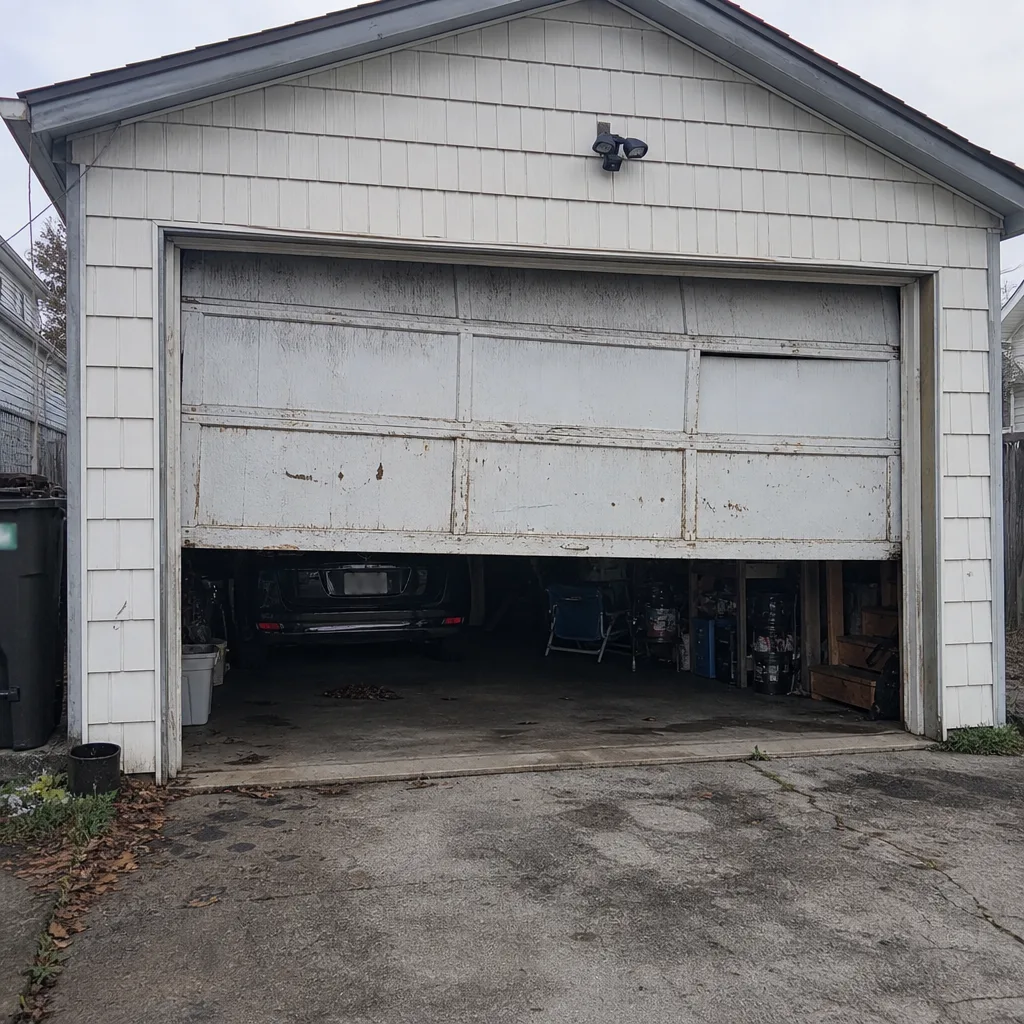 Before
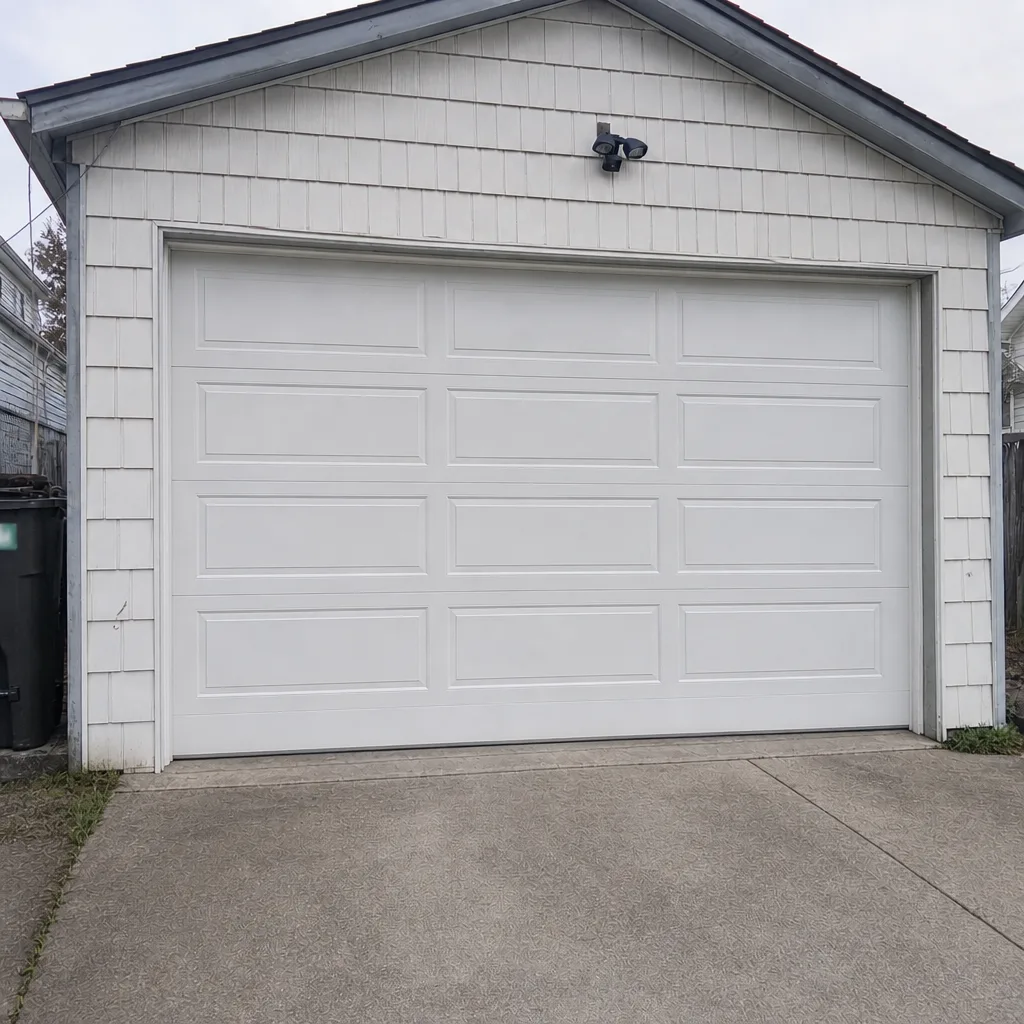 After
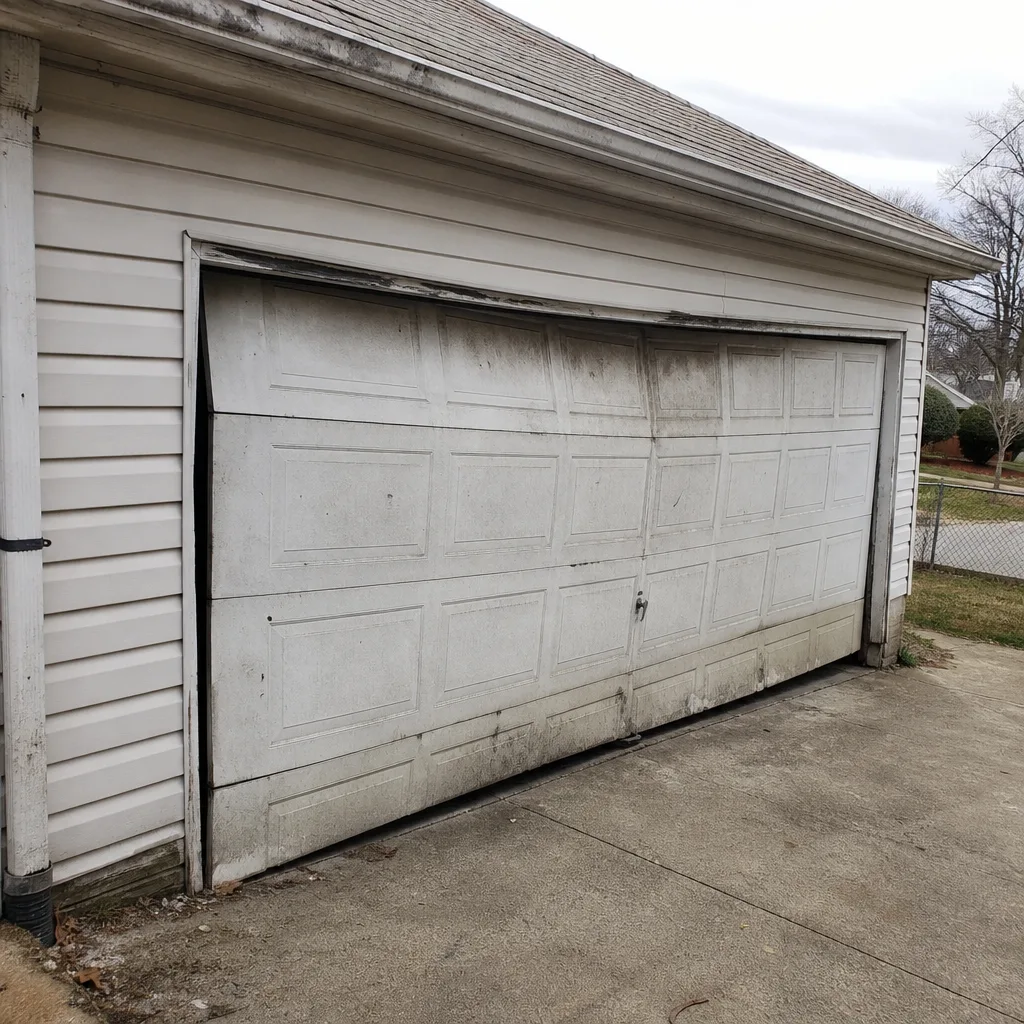 Before
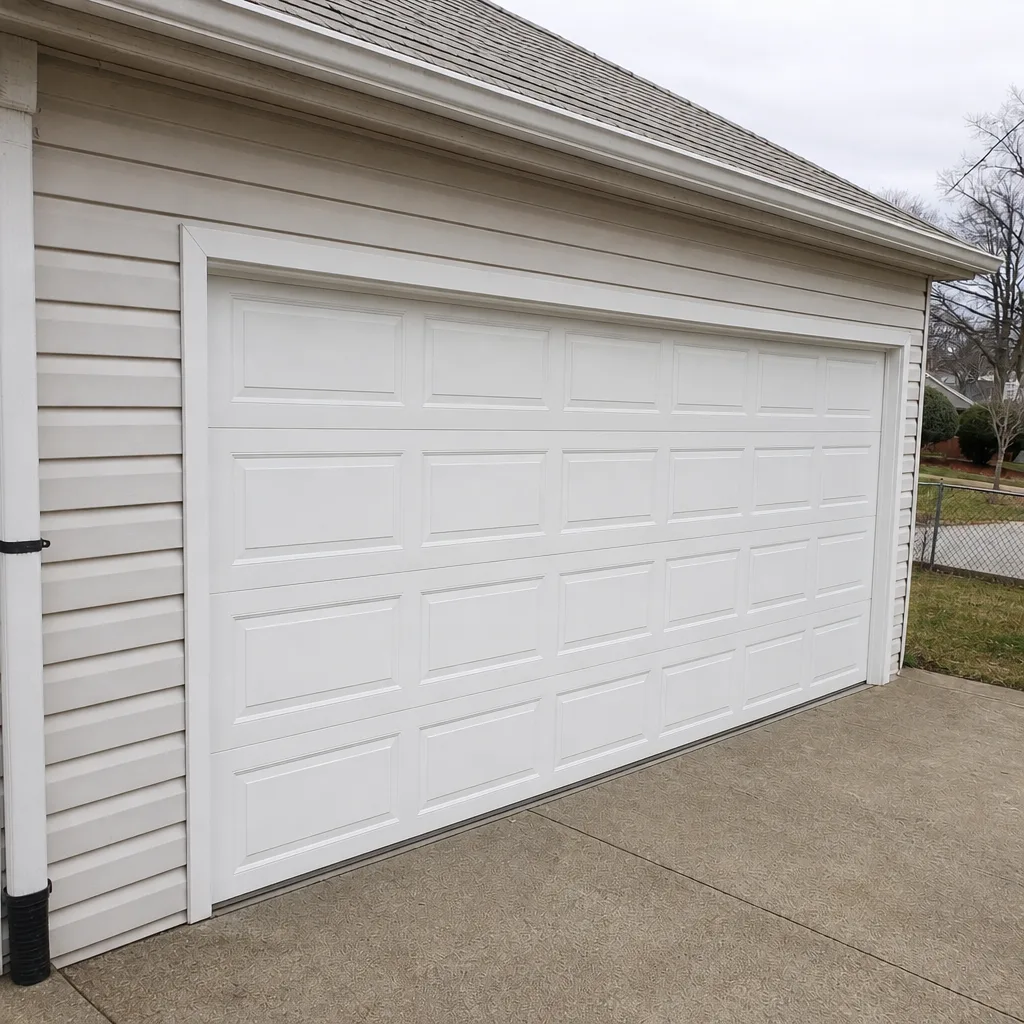 After
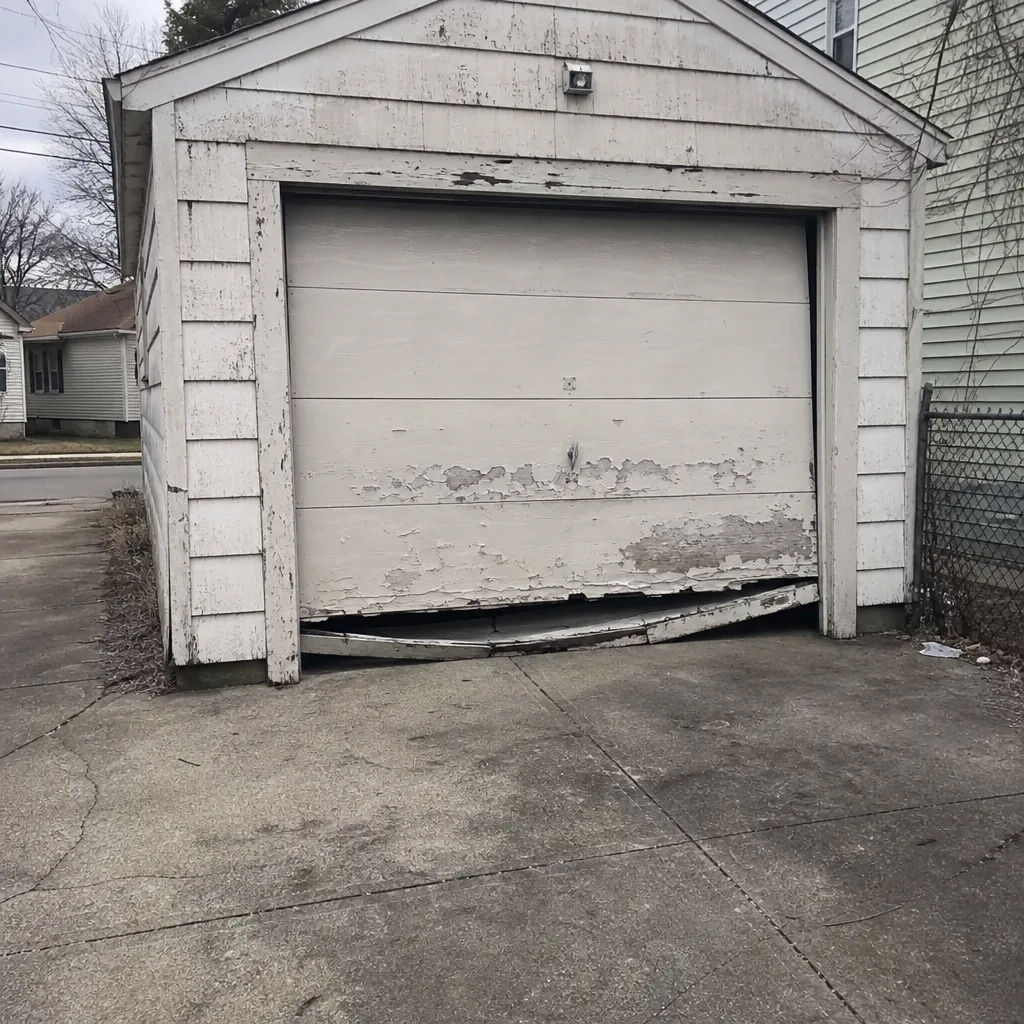 Before
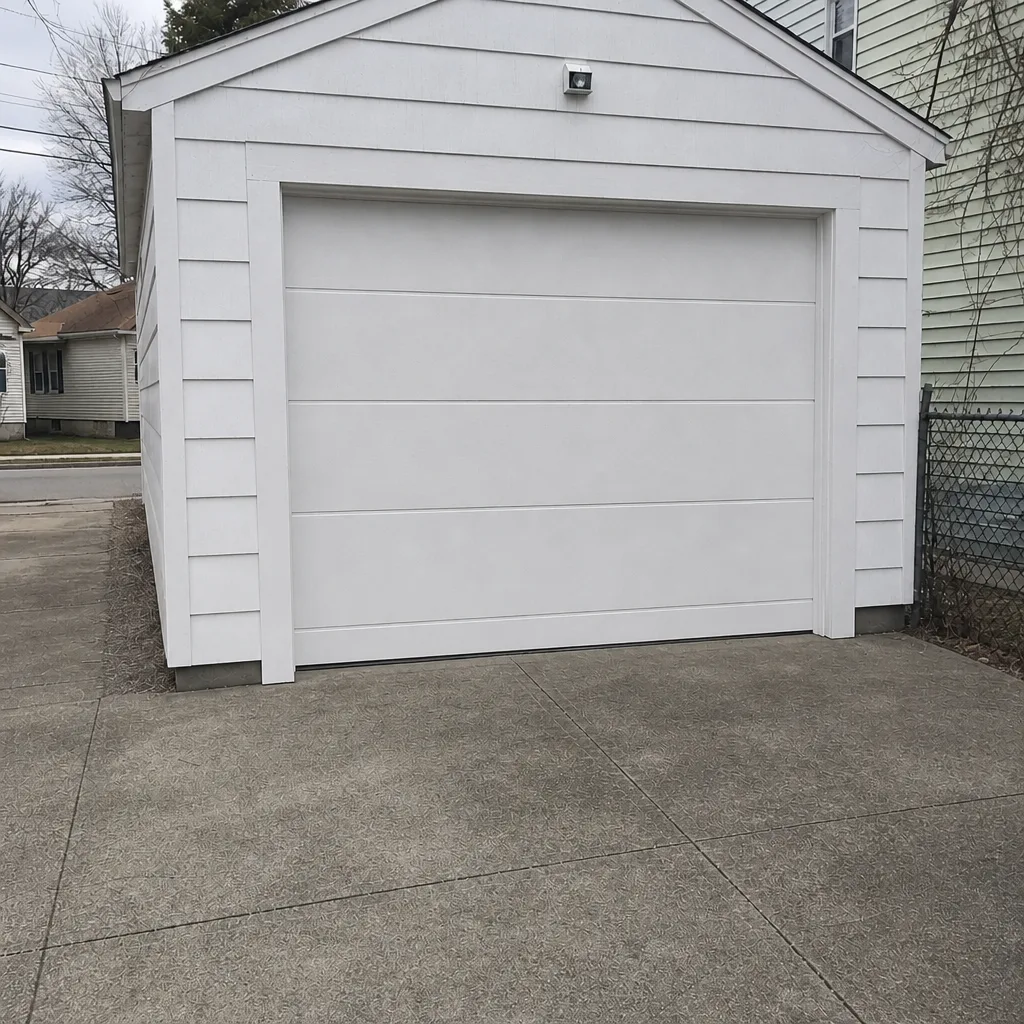 After