
Last updated November 23, 2026
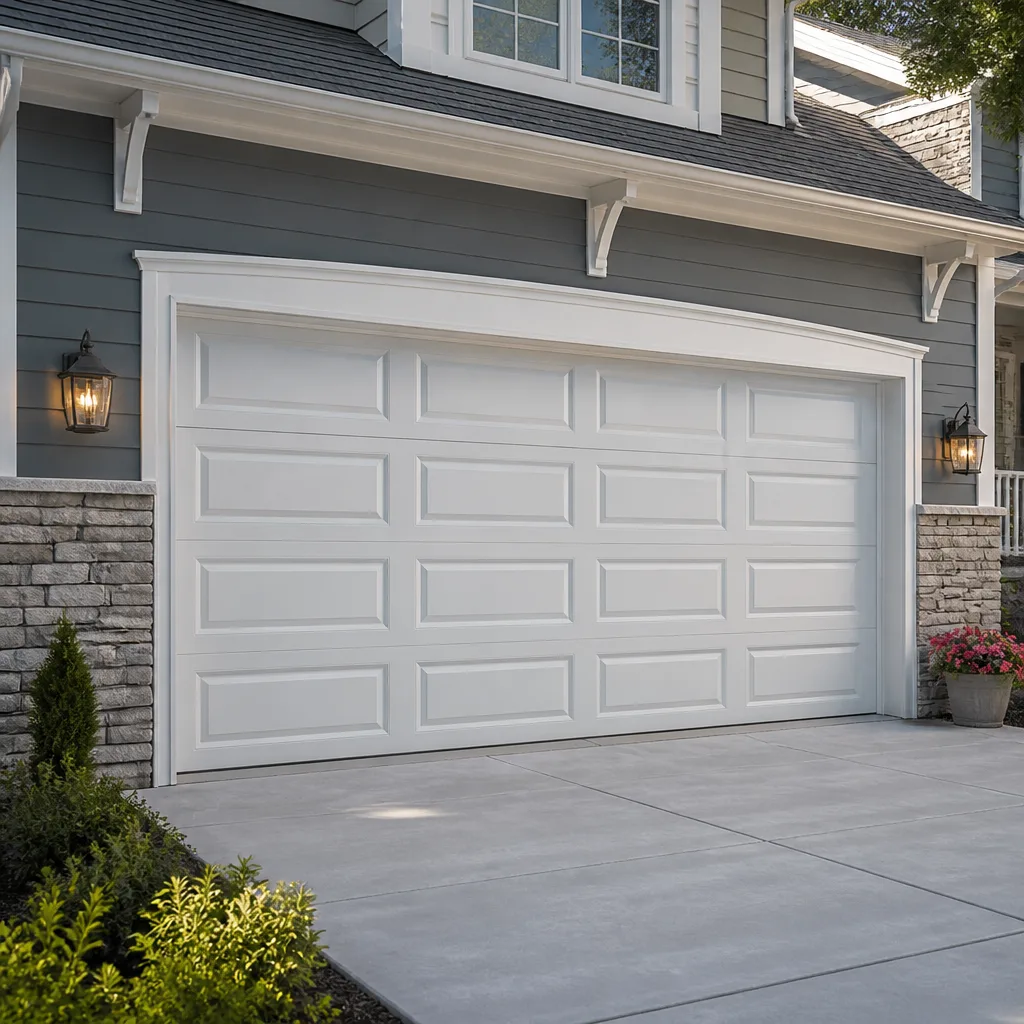 Raised-panel steel
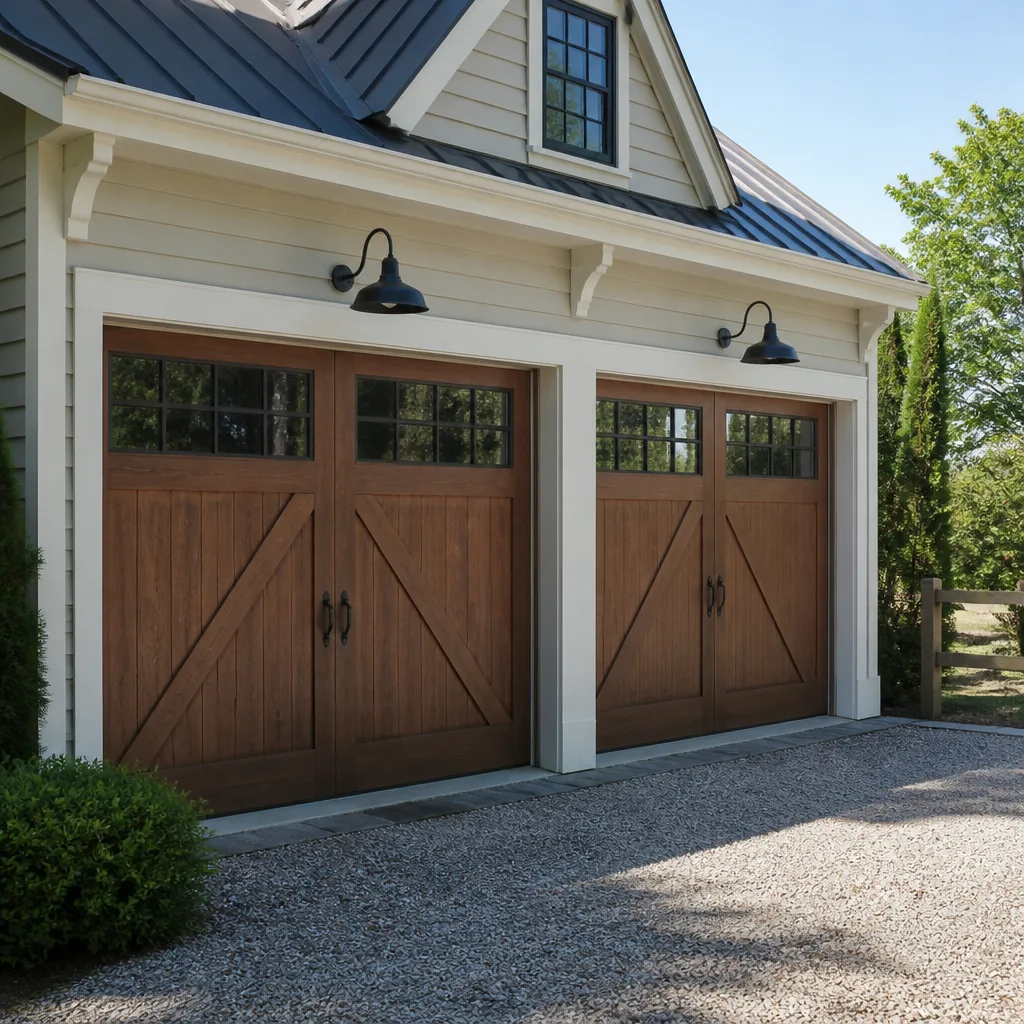 Carriage house
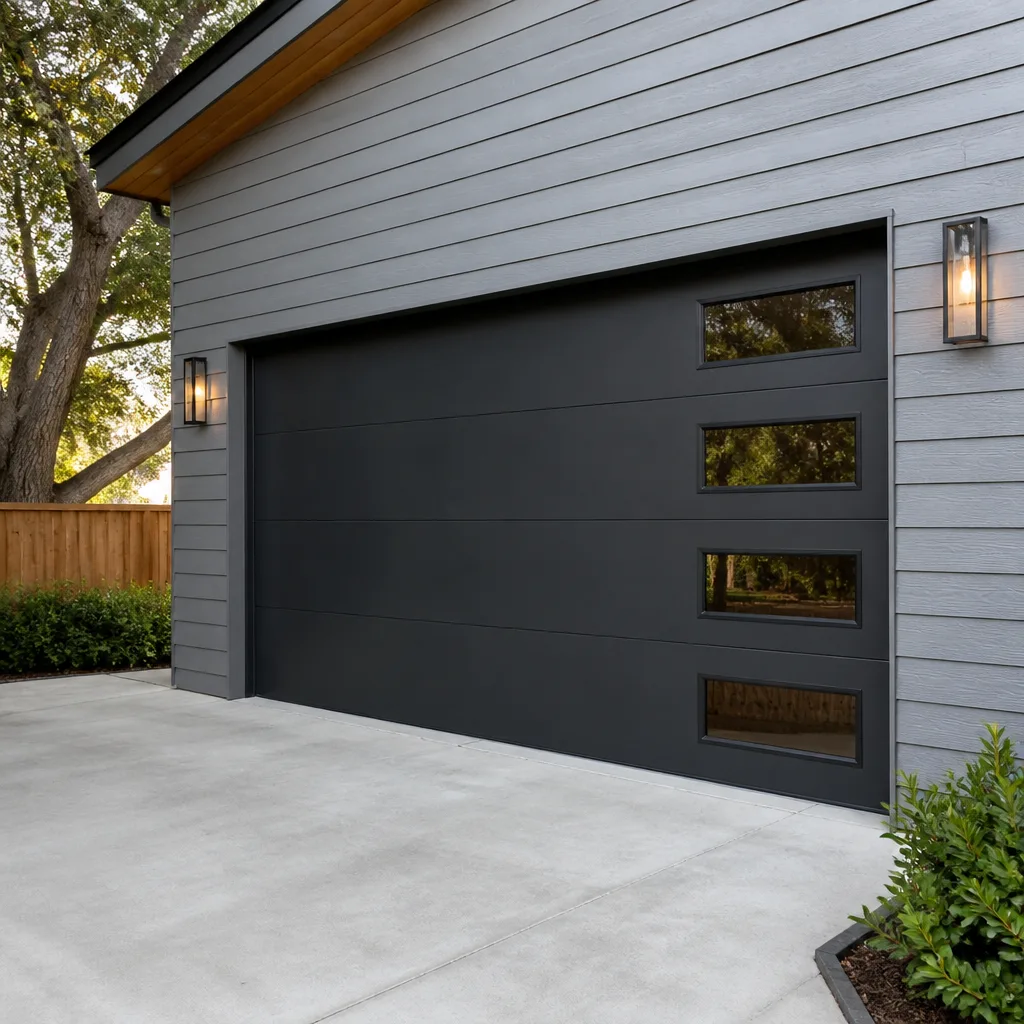 Modern flush
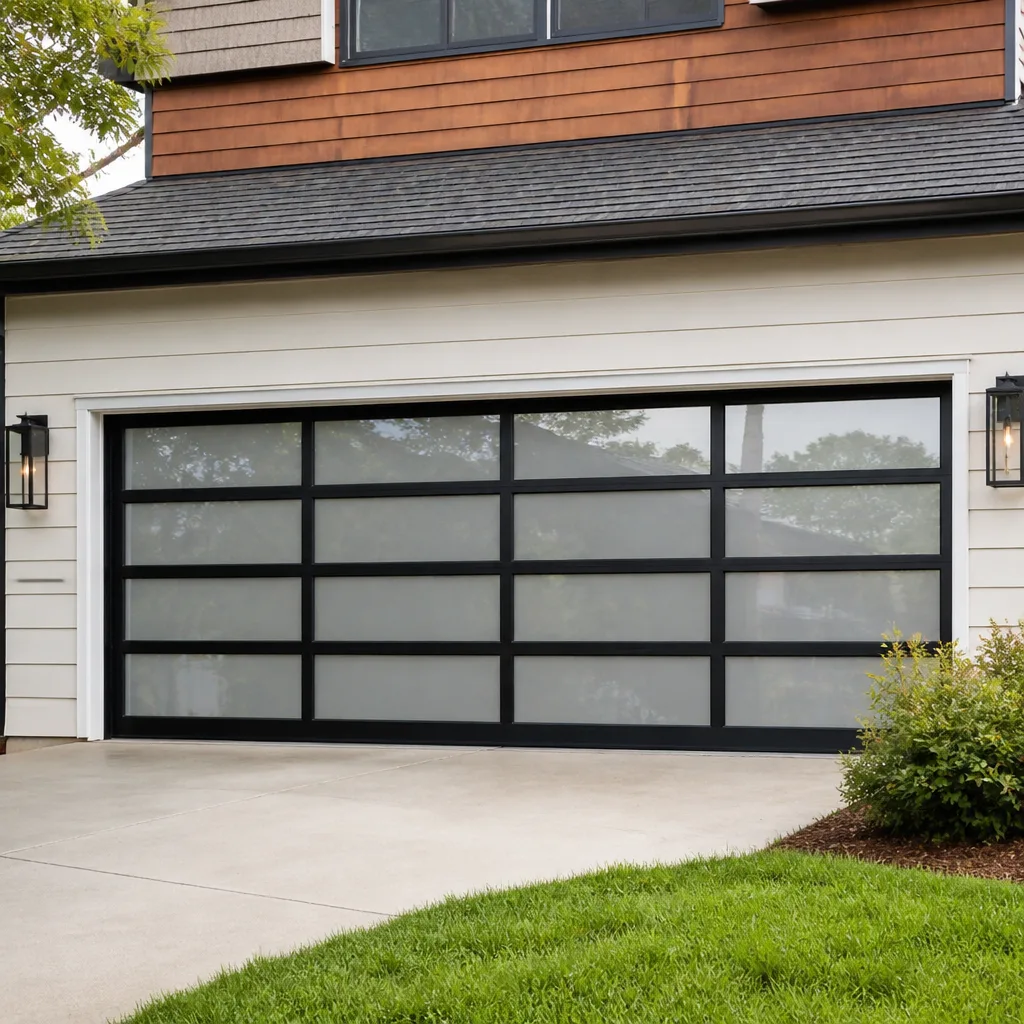 Full-view glass
 LiftMaster openers
 Chamberlain openers
Full 25-point door and opener safety check with every visit - springs, cables, rollers, tracks, and your LiftMaster or Chamberlain opener included
You get a price before we start. It does not change when the pro arrives.
Get your free estimateGarage Door Permits, Codes & Inspections in Pawtucket, RI: What You Need to Know
Most homeowners assume a garage door is like a mailbox: you swap it out, and no one cares. That’s half true. In Rhode Island, putting the same size door into the same opening is typically treated as ordinary replacement work. But the moment you change the rough opening, cut a new header, or bring a new opener circuit into the mix, you’ve stepped over a line and into permit territory. The trouble is that nobody hands you a map of where that line sits. This guide gives you one for Pawtucket: what triggers a permit, what the building inspector actually looks at, how to fix work that was already done without a permit, and how to confirm your contractor pulled one before the first screw goes in.
Quick Answer
In Pawtucket, replacing a garage door with the same size door in the same opening is usually exempt from a building permit under the Rhode Island State Building Code. Changing the opening size, modifying or replacing the structural header, or adding a new powered opener circuit generally requires a permit, and electrical work needs a licensed electrician and a separate electrical permit. Call Pawtucket’s building department directly to confirm your specific job before work starts.
Styles & brands we work with
- Raised-panel steel
- Carriage house
- Modern flush
- Full-view glass
- LiftMaster openers
- Chamberlain openers
Table of Contents
- What Triggers a Garage Door Permit in Pawtucket, RI?
- How the Rhode Island State Building Code Applies to Garage Doors
- What a Pawtucket Garage Door Inspection Actually Checks
- How to Permit Work That Was Done Without One
- HOA Rules That Layer on Top of Pawtucket Code
- How to Confirm Your Contractor Pulled the Permit
- New Door vs. Repair: Which Jobs Need Paperwork?
- Pawtucket Weather and Why It Matters to Compliance
What Triggers a Garage Door Permit in Pawtucket, RI?
A garage door permit in Pawtucket is triggered when the work touches the structure of the opening or the electrical system that runs the door, not when you simply replace a worn door with a matching one. Repairing a broken spring, a snapped cable, a bent track, or a worn opener doesn’t require a permit. Replacing the door panel for panel in the same opening usually doesn’t either. What does require a permit is anything that changes how the opening is built or how power reaches the door.
Here’s how the triggers break down in practice:
- Same size replacement in the same opening: typically exempt. Pull the old door, set the new one on the existing track and springs, done.
- Changing the opening size or configuration: requires a permit. Widening, raising the header, or converting a single-door opening to a double is a structural change.
- Replacing or modifying the header: requires a permit. The header carries the load above the opening, and the city needs to see the new span is properly framed.
- Adding a new opener circuit or outlet: requires an electrical permit and a licensed electrician. Adding a garage door opener to a door that never had one, or running a new dedicated circuit, is electrical work.
- Structural repairs after damage: if a door has been hit, or an impact has compromised framing or the header, pulling a permit and having the repair inspected protects you at resale.
- Replacing a door in a historic or overlay district: Pawtucket’s overlay and historic district rules can add design review on top of any permit requirement. Ask the planning department before you buy the door.
The simplest habit is to describe the job to Pawtucket’s building department in plain language before committing: same size or different size, header untouched or header changed, new opener circuit or existing. If they tell you a permit is needed, get it. If they tell you it isn’t, ask them to note the exemption in writing in your file. It costs nothing and it protects you.
How the Rhode Island State Building Code Applies to Garage Doors
Rhode Island adopts the State Building Code, which is the model code in force across the state with local amendments layered on by individual cities. Pawtucket enforces the code through its own building department, which means the permit and inspection process runs through Pawtucket, not the state. The code treats a garage door opening the way it treats any other structural opening: framing, header spans, and attachment to the structure fall under the building code, and any wiring that powers a door falls under the electrical code.
What this means for a homeowner is that the same repair or replacement can have different paperwork depending on how it’s done. Replacing the door is one thing. Replacing the door and re-framing the opening is another. The code doesn’t care that the finished result looks identical from the street; it cares whether a load path or an electrical circuit changed.
Local amendments vary in detail and are updated periodically, so we don’t recommend relying on a rule you read in a forum or heard from a neighbor. The Pawtucket building department is the authority on what your specific door and opening need. A quick call answers it. If you’re planning a replacement and want to understand the scope of work before you call, our garage door repair page walks through the parts that typically come into play.
One thing worth knowing: the code and the permit process are about the building, not the hardware brand. Whether your door is a Clopay or a Raynor, whether your opener is a LiftMaster or a Chamberlain, the framing and electrical rules are identical. The brand of door has no effect on whether a permit is required.
What a Pawtucket Garage Door Inspection Actually Checks
A Pawtucket garage door inspection, when one is required, checks the structural and electrical work, not the cosmetic finish. An inspector isn’t grading your door’s color or panel style. They’re looking at the load path above the opening and how the door system is anchored and powered. Here’s the sequence in the order most inspections follow:
- Framing around the opening. The inspector checks that the jambs and framing are sound, correctly sized, and attached to the structure.
- Header and load path. If the header was replaced or modified, the inspector verifies the span and the blocking are adequate for the load above it.
- Track and spring anchoring. The torsion or extension springs and the track brackets must be anchored into solid material, not just drywall or thin trim.
- Opener wiring and connections. The electrical inspector checks any new circuit, outlet, or disconnect that powers the opener, plus the safety reverse and photo-eye setup.
- Clearances and safety devices. The photo-eye height and alignment, the manual release, and the door’s balance are checked against the code’s safety requirements.
- Final sign-off. Once the structural and electrical inspections pass, the permit is signed off and the record closes.
In our experience, the items that fail an inspection most often aren’t exotic. They’re anchoring into insufficient material, a header that wasn’t sized for the new span, or electrical work done without a licensed electrician on the permit. Those are the things a careful installer gets right the first time. If your job includes opener work, our garage door opener repair page covers the electrical and safety side in more detail.
How to Permit Work That Was Done Without One
If garage door work was done in your Pawtucket home without a permit and a permit was required, you can usually still get it inspected and legalized after the fact. The process is called retroactive permitting, and it’s more work than pulling the permit up front, but it’s far better than letting an unpermitted structural change sit on your property record. Here’s how it generally goes:
- Describe the existing work to the building department. Tell them what was done, when, and whether the opening size, header, or electrical system was changed.
- Apply for a permit covering the existing work. The department will tell you what they need to see and whether any drawings are required.
- Open up anything that needs inspection. If framing or wiring is covered, an inspector may need it exposed to verify it.
- Correct what doesn’t pass. If the header isn’t right or the anchoring is inadequate, it gets brought up to code before the inspection clears.
- Get the sign-off and keep the record. Once it’s inspected and closed, you have documentation that the work is legal, and that record follows the property.
The cost of retroactive permitting is mostly the inspection and any corrective work, and it varies with how much of the job has to be opened up. We won’t quote a number here because we don’t set the city’s fees and the corrective scope depends on what the inspector finds. What we can tell you is that the alternative – an unpermitted structural change discovered during a home sale – usually costs more in delay, renegotiation, or a buyer walking away than the permit would have cost to begin with.
If a previous owner’s unpermitted opener wiring is the issue, we can help you sort out the electrical scope and get the door system working safely. Start with our main Pawtucket Garage Door Repair page or call us and describe what you’re seeing.
HOA Rules That Layer on Top of Pawtucket Code
Pawtucket’s municipal code is only one layer. If you live in a condominium, a planned development, or a neighborhood with a homeowners association, the HOA adds its own rules on top, and those rules can be stricter than the city’s. A HOA can’t legally require a permit the city doesn’t require, but it can restrict the materials, panel style, color, window configuration, and even the brand and model of door you install. It can also require architectural review approval before installation.
What this means practically:
- Read the architectural rules before you shop. If your HOA specifies a panel style or color, buying first and asking later usually means returning the door.
- Get approval in writing. A verbal nod from a board member isn’t approval. Get the architectural committee’s sign-off documented.
- Ask whether the HOA needs to see the permit. Some associations require proof that municipal permits were pulled before work begins.
- Check whether the HOA affects your inspection. If the HOA has its own inspection or sign-off step, schedule it so it doesn’t hold up the closing on a sale.
In our experience, the biggest friction comes when a homeowner picks a door the HOA later rejects. The fix is a five-minute read of the association documents before placing the order. If you’re not sure what your existing door’s model is, we can identify it and tell you what a compliant replacement would look like.
How to Confirm Your Contractor Pulled the Permit
You can confirm a contractor pulled the permit before work starts by asking for the permit number and then verifying it directly with Pawtucket’s building department. That’s the whole process. The permit number is public record, and the department can confirm whether a permit was issued for your address and what scope it covers. Do this before the crew shows up, not after.
Here’s the checklist we suggest to homeowners:
- Ask for the permit number in writing. A text or email is fine. If they can’t produce one before work starts, that’s a sign.
- Call the building department and verify. Give them the address and ask whether a permit is open and what it covers.
- Match the scope. The permit should describe the work being done, including any electrical work and the electrician’s name.
- Ask who schedules the inspection. On permitted work, the contractor typically schedules the inspection. Confirm that’s part of the job.
- Get the final sign-off. Once the work is inspected and closed, ask for a copy of the signed-off permit for your records.
Some contractors avoid pulling permits because it adds time and paperwork to their job. That tells you something about how they handle everything else too. A contractor who pulls the permit, schedules the inspection, and hands you the sign-off is a contractor who expects to be checked. That’s the kind you want. We handle the permit conversation as part of the estimate so there are no surprises after the fact.
New Door vs. Repair: Which Jobs Need Paperwork?
Most garage door work in Pawtucket needs no permit at all. Here’s how the common jobs stack up, using typical estimates for the region and noting whether each is permit-exempt as a rule:
- Spring replacement (one spring): typically $180-$340. Permit-exempt. This is the most common repair we handle, and it’s also the one you should never DIY; torsion and extension springs are under extreme tension and can cause serious injury if released improperly.
- Spring replacement (matched pair): roughly twice a single spring, since a pair is usually replaced together. Permit-exempt.
- Cable, roller, or track repair: typically $150-$350 depending on parts. Permit-exempt.
- Opener replacement (same location, existing wiring): typically $250-$500 installed. Permit-exempt if no new circuit is run.
- Opener installation with a new circuit: adds electrician cost and requires an electrical permit.
- Same size door replacement in the same opening: typically $900-$2,500 installed depending on door style. Usually permit-exempt.
- Door replacement with opening change or header modification: adds structural work and requires a building permit.
These ranges are typical for the region, and the written estimate sets the final price. The permit status is a separate question from the price; a permitted job includes the permit and inspection costs, and a clear estimate will show that. If you’re not sure which category your job falls into, ask us and we’ll tell you honestly. If your springs are the issue, start with our garage door spring repair page, which covers the safety side in detail.
Pawtucket Weather and Why It Matters to Compliance
Pawtucket’s weather shapes how garage doors age and, in turn, when repair and replacement become necessary – which is when permit questions come up. The region’s freeze-thaw cycles work on the door’s moving parts all winter, and the salt and sand that go down on roads and driveways work their way into tracks and hinges. A door that was installed correctly with the right anchoring holds up better through a decade of those cycles than one that was tacked into marginal framing.
What this means for the permit question: the freeze-thaw cycle is a common reason a door or its framing starts to show movement, sag, or binding. When a homeowner calls because the door has started sticking in one spot, the underlying issue is often a track or bracket that’s worked loose from its anchor. Sometimes the fix is re-anchoring into sound material. Sometimes the framing itself needs attention, and that’s when a permit may come in. The inspector is looking at exactly that: whether the door and its hardware are anchored into something structural that will hold through another winter.
We don’t recommend assuming every winter creak is a permit problem. Most aren’t. But if a repair keeps coming back, or if the door has visibly moved in its opening, it’s worth having someone look at the framing and anchoring before the next cold season. Our garage door repair team handles that assessment.
Common Mistakes to Avoid
- Assuming all replacements are permit-exempt. Same size in the same opening usually is; changing the opening or the header isn’t. Confirm with the building department before you buy. The exemption is narrow and specific.
- Running a new opener circuit without an electrician. Adding a dedicated circuit for a new opener is electrical work, and it needs a licensed electrician and a separate electrical permit. Doing it yourself can pass a casual eye and fail an inspection years later.
- Buying the door before checking HOA rules. In a Pawtucket-area development with architectural rules, the wrong panel style or color can mean returning a special-order door. Read the association documents first.
- Not verifying the permit number. A contractor saying “we’ll take care of the permit” and actually pulling one are two different things. Ask for the number and call the building department to confirm.
- Ignoring unpermitted work left by a previous owner. If an older modification to the opening or wiring exists, deal with it before a sale. Retroactive permitting is easier now than during a closing deadline.
- Skipping the inspection sign-off. On permitted work, the final sign-off is the document that protects you at resale. Track it down and keep it with the deed records.
- Treating a spring or cable repair as a permit question. It isn’t, and that’s not the reason to call a professional. The reason is safety: springs and cables are under extreme tension, and a DIY attempt can injure you badly. Leave that to a trained technician.
See the difference
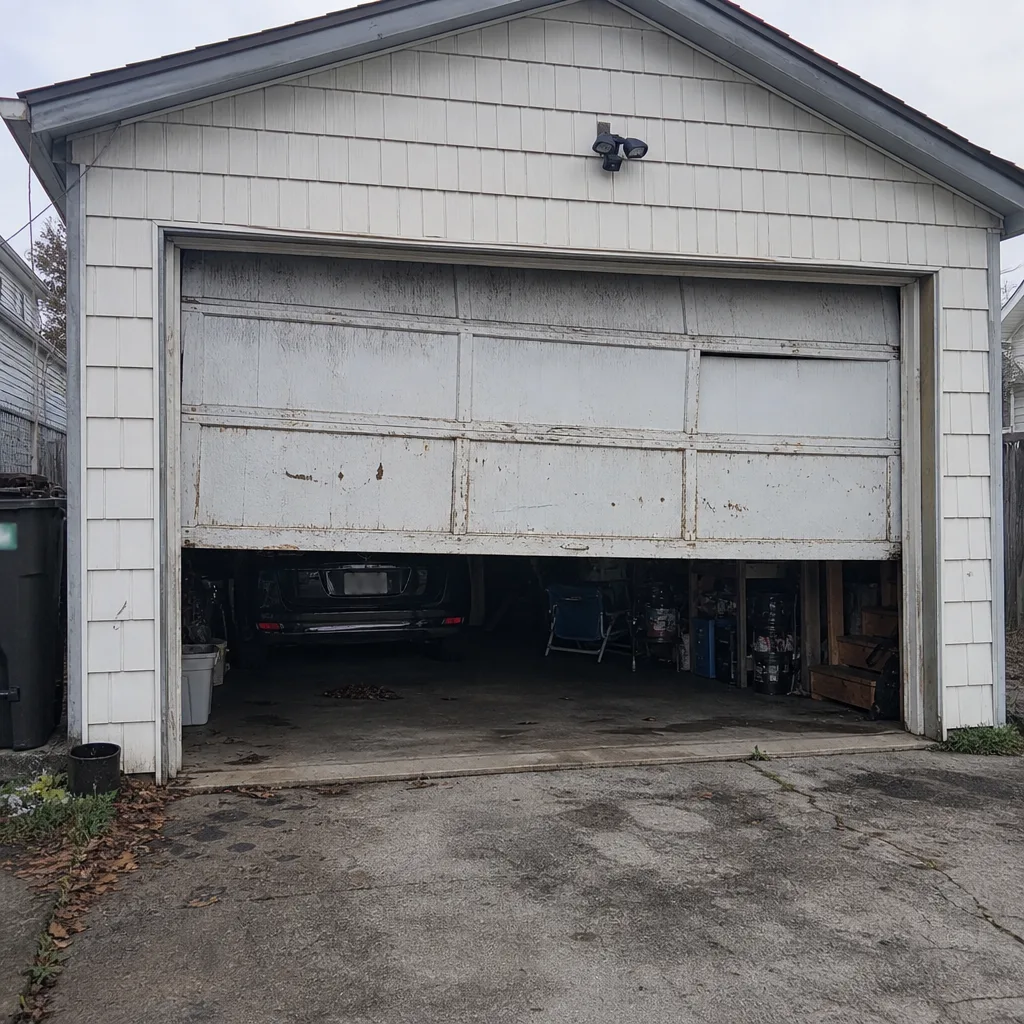 Before
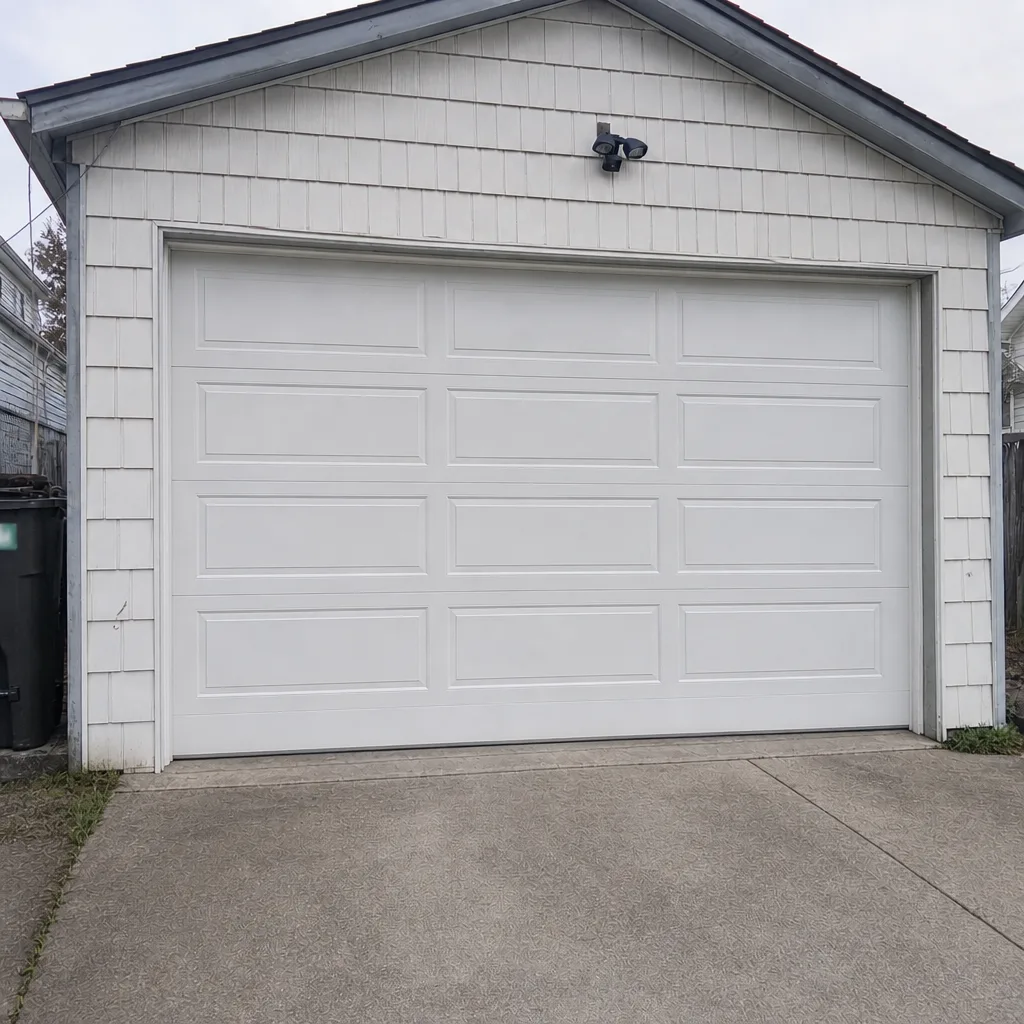 After
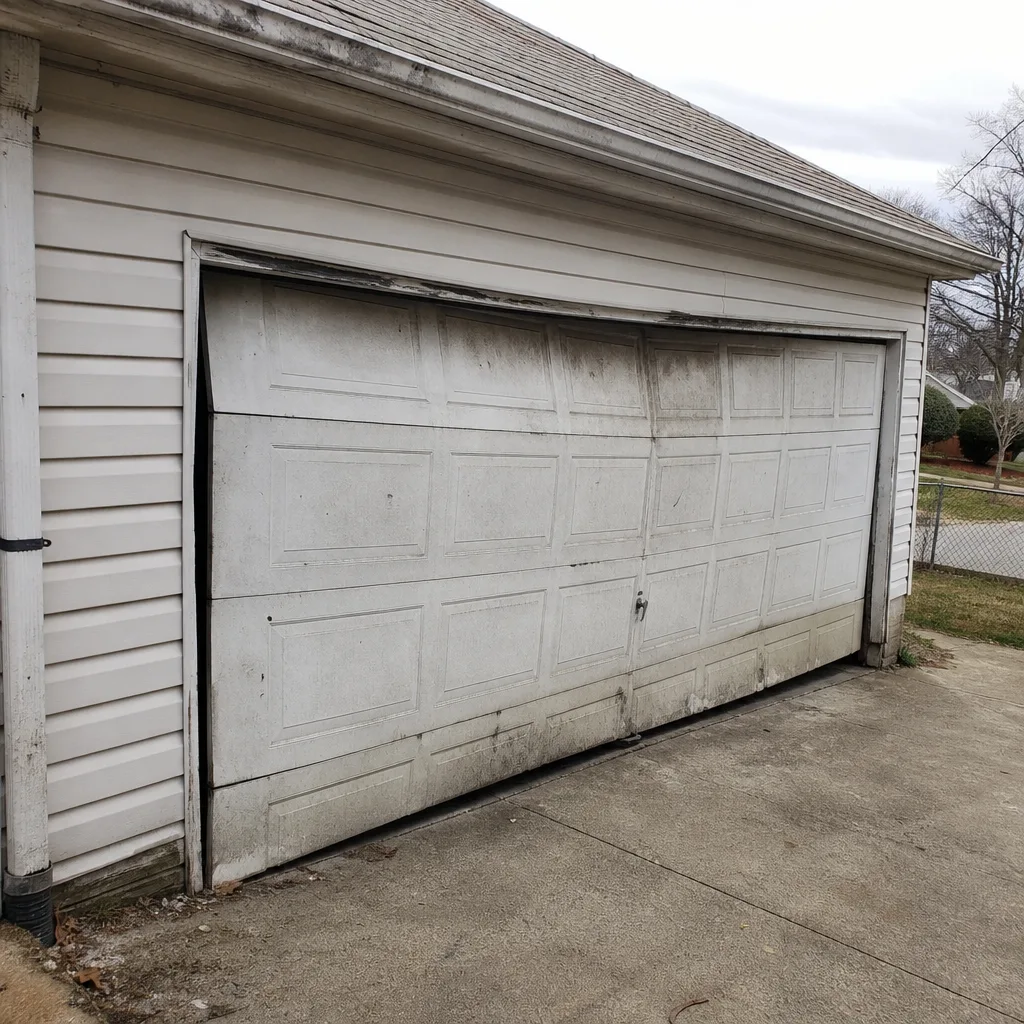 Before
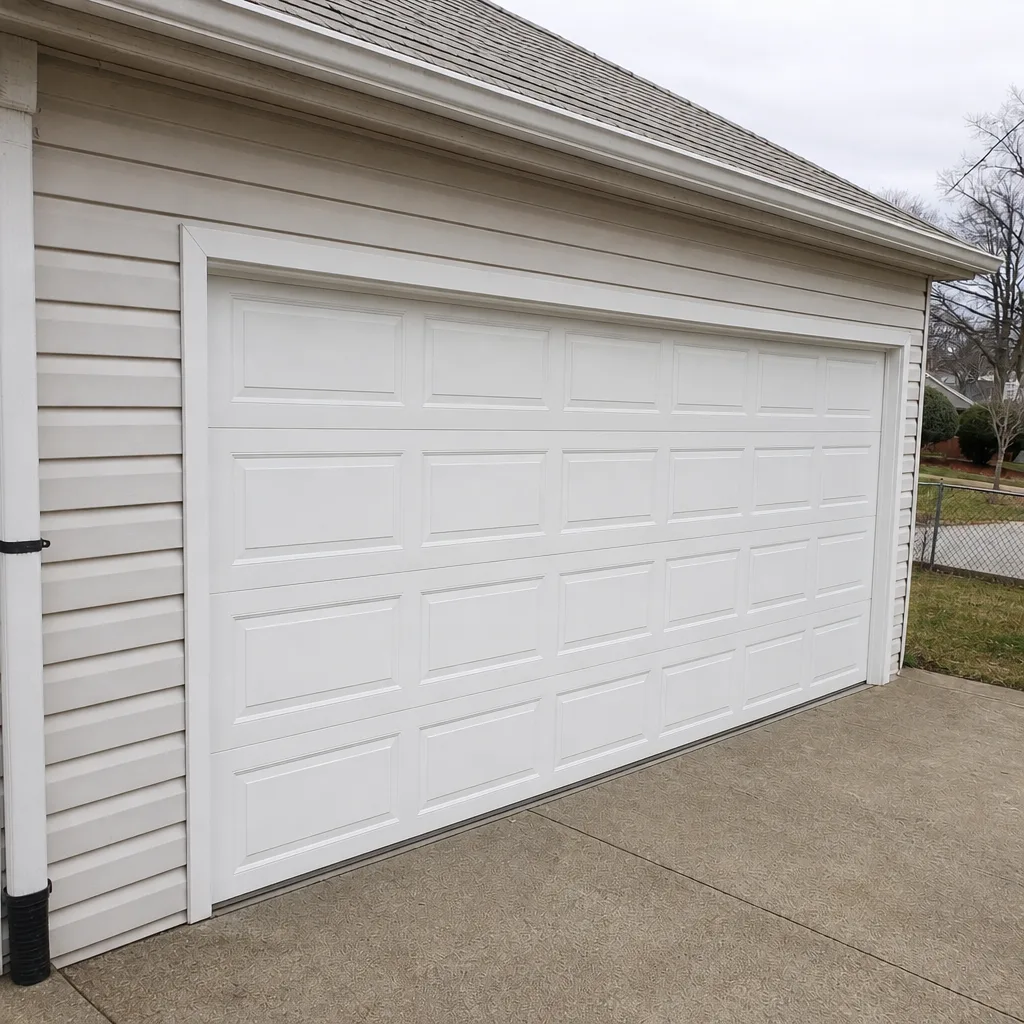 After
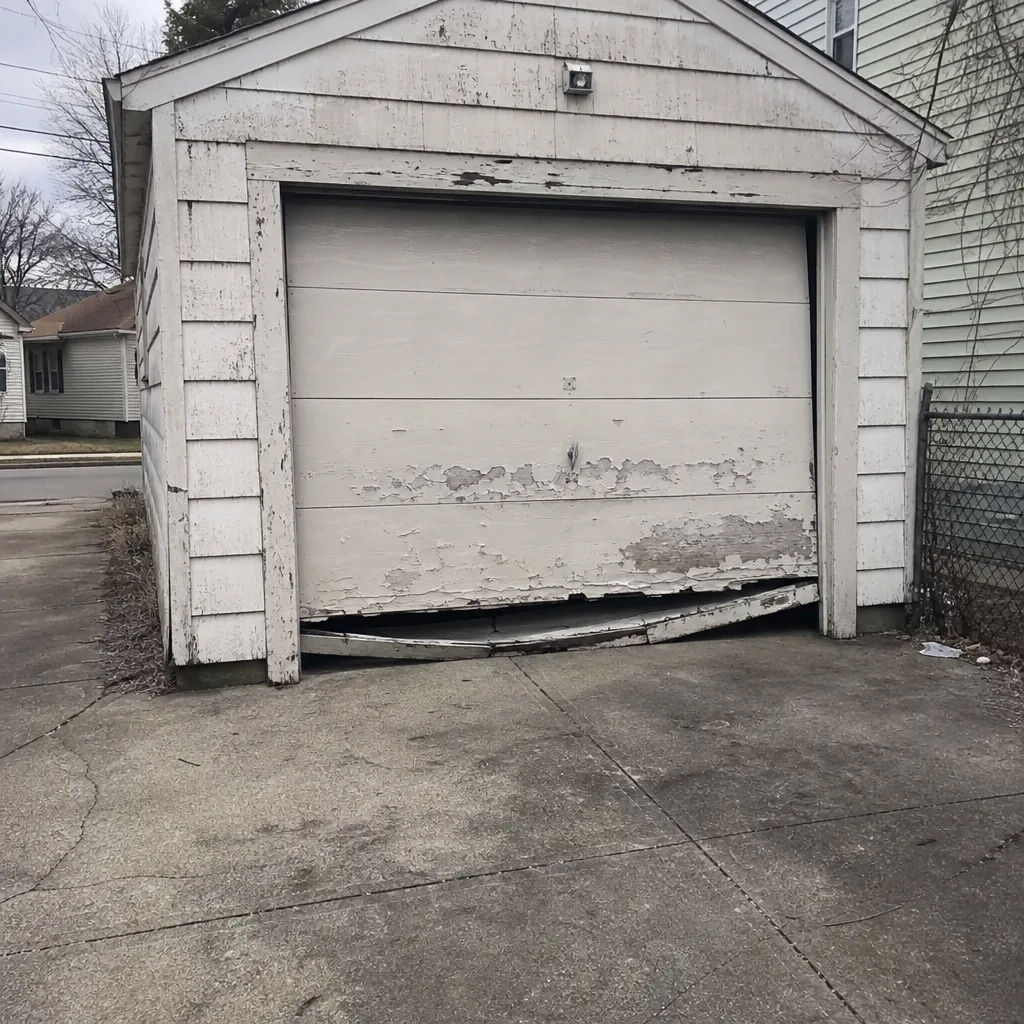 Before
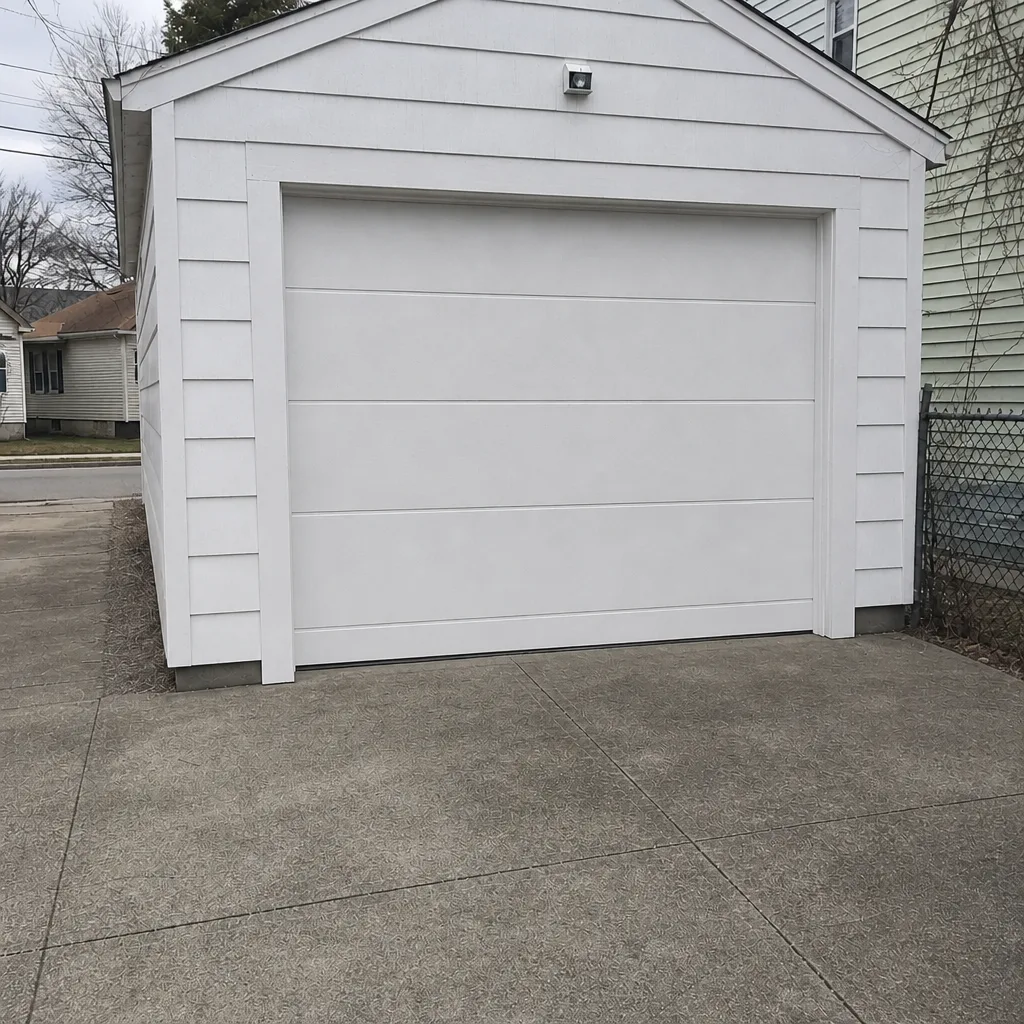 After
When to Call a Professional
Call a professional when the work involves springs or cables under tension, when the opening size or header is changing, when a new opener circuit is needed, or when a door has moved, sagged, or started binding in its opening. Those are the scenarios where a trained technician’s assessment of the framing and safety hardware matters, and where an inspection may be required. For a simple roller or weather-seal replacement, most homeowners can handle it themselves. For anything that changes the structure or the electrical system, get a professional involved before the first cut. Pawtucket Garage Door Repair offers free estimates in Pawtucket – call (866) 947-9783. We answer 24/7, with fast dispatch from 7am to 7pm, Sunday through Friday.
Frequently Asked Questions
Usually not, if it’s the same size door going into the same opening with the header untouched. Changing the opening size, modifying the header, or adding a new opener circuit generally requires a permit. Confirm with Pawtucket’s building department before work starts. Call (866) 947-9783 if you want us to walk through what your specific job involves – estimates are free.
It checks the framing around the opening, the header and load path if the header was modified, the anchoring of the track and spring brackets, and any new electrical work for the opener, plus the safety reverse and photo-eye setup. The inspector is verifying structural and electrical work, not the door’s appearance. Call (866) 947-9783 to schedule a free estimate before your inspection.
Usually yes. Retroactive permitting covers existing work that was done without a required permit, and it involves describing the work to the building department, applying for a permit, possibly opening up covered framing or wiring, correcting anything that doesn’t pass, and getting the final sign-off. It’s more work than pulling the permit up front. Call (866) 947-9783 for a free estimate on any corrective work needed.
It can, and it often creates problems during the sale process. An unpermitted structural change to the opening or header can surface during a buyer’s inspection and lead to renegotiation, delay, or a buyer walking away. Getting it legalized before you list is the safer route. Call (866) 947-9783 to talk through what corrective work might be involved.
Not usually, if the new opener goes into the same location on existing wiring. If a new dedicated circuit has to be run, that’s electrical work and it needs a licensed electrician and a separate electrical permit. When in doubt, ask the building department. Call (866) 947-9783 for a free estimate on opener replacement.
A single torsion or extension spring replacement typically runs $180-$340, and a matched pair usually costs about twice that since both springs are replaced together. The written estimate sets the final price, and the estimate is free. Call (866) 947-9783 for an exact quote – estimates are free.
The Bottom Line
Pawtucket’s permit line for garage doors is narrower than most homeowners assume, and crossing it is about structure and electrical work, not the door itself. Same size replacement in the same opening is usually exempt. Changing the opening, touching the header, or adding a new opener circuit generally isn’t. Confirm with the building department, ask your contractor for the permit number, verify it, and keep the inspection sign-off. Do that and a future home sale won’t stall on a question you could have answered before the first screw went in. Our technicians have up to 12 years of experience with these systems, and we handle the paperwork as part of the job.
Contact
If you’re planning a garage door repair, replacement, or opener installation in Pawtucket and want to know exactly what your job involves, call (866) 947-9783 for a free estimate. We answer 24/7, with fast dispatch from 7am to 7pm, Sunday through Friday. We work on the brand you already have – LiftMaster, Chamberlain, Genie, Clopay, Amarr, Wayne Dalton, Craftsman, and Raynor – and we’ll tell you straight whether your job needs a permit and what it takes to get one. Spring repair is dangerous work, and we handle it with the care it deserves. Call (866) 947-9783 to get started.
Written by the team at Pawtucket Garage Door Repair.