
Last updated November 23, 2026
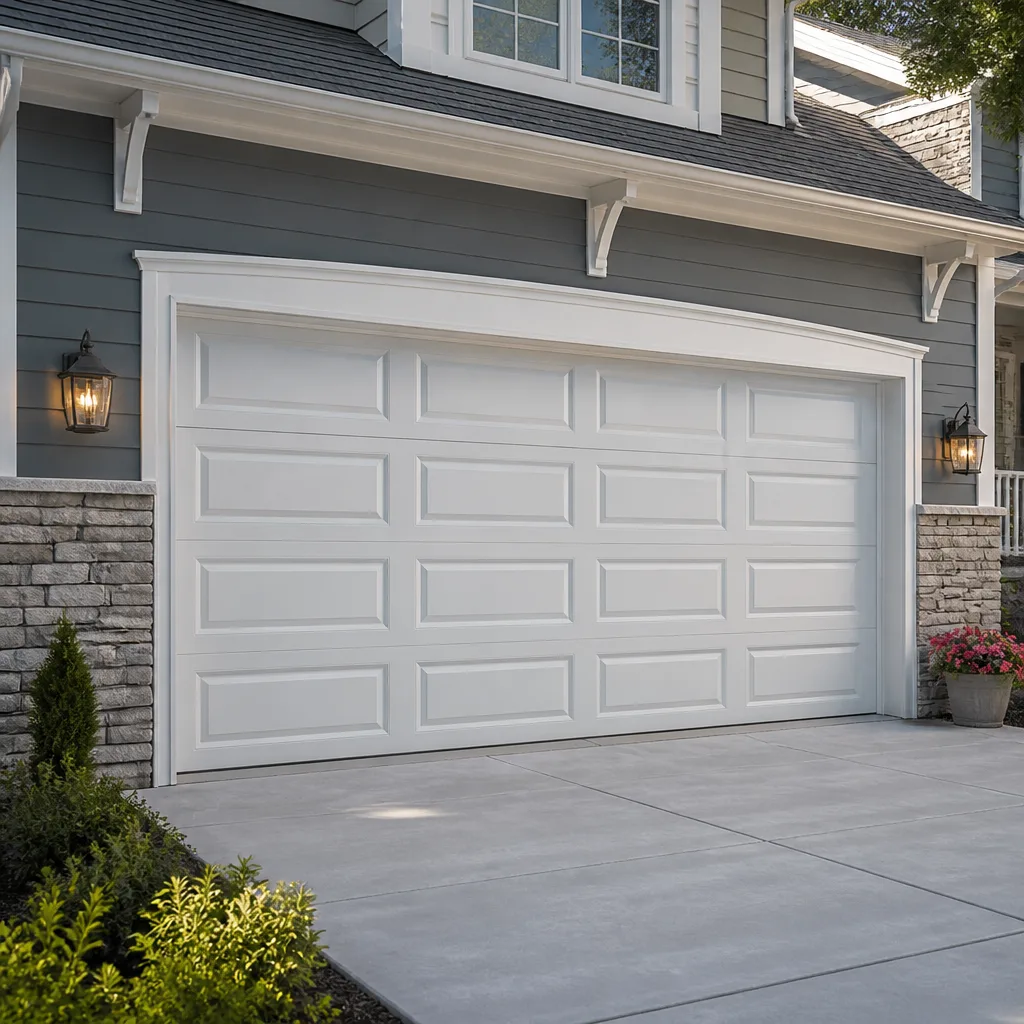 Raised-panel steel
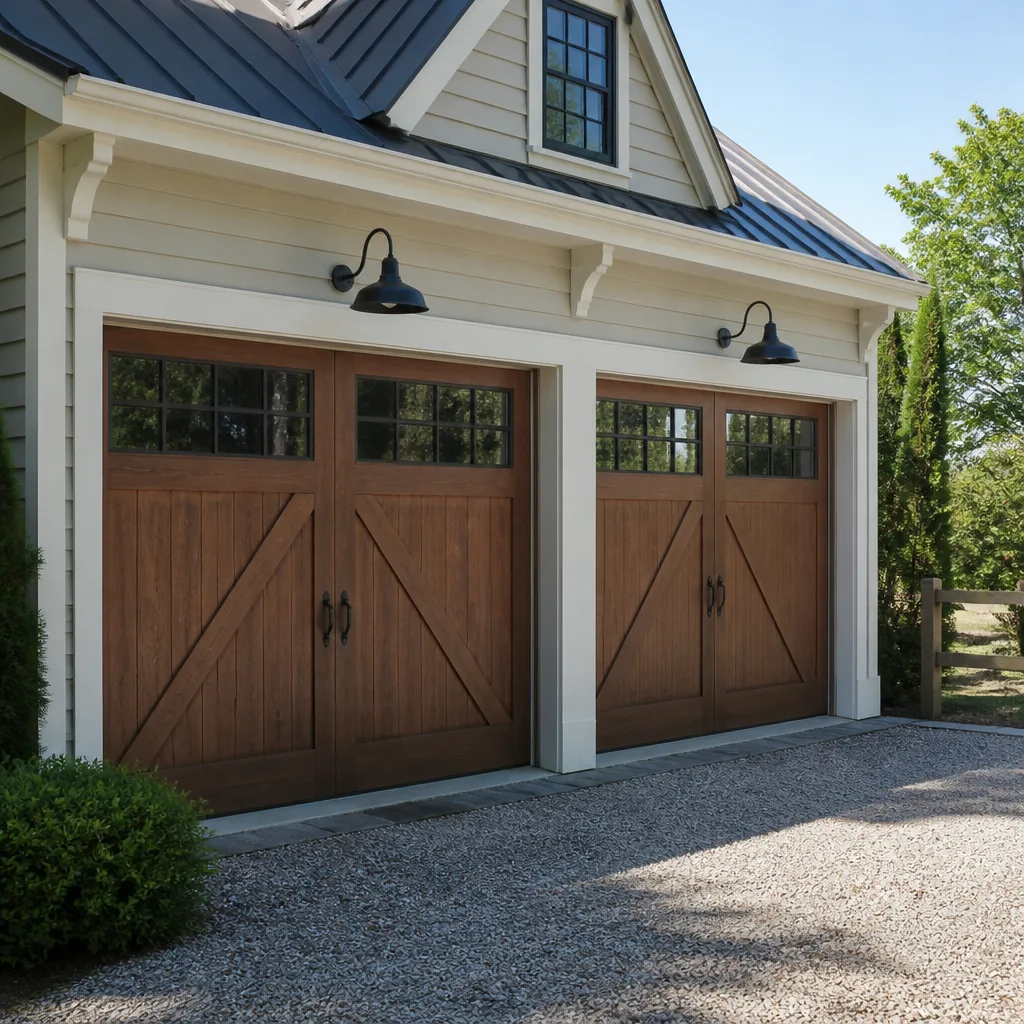 Carriage house
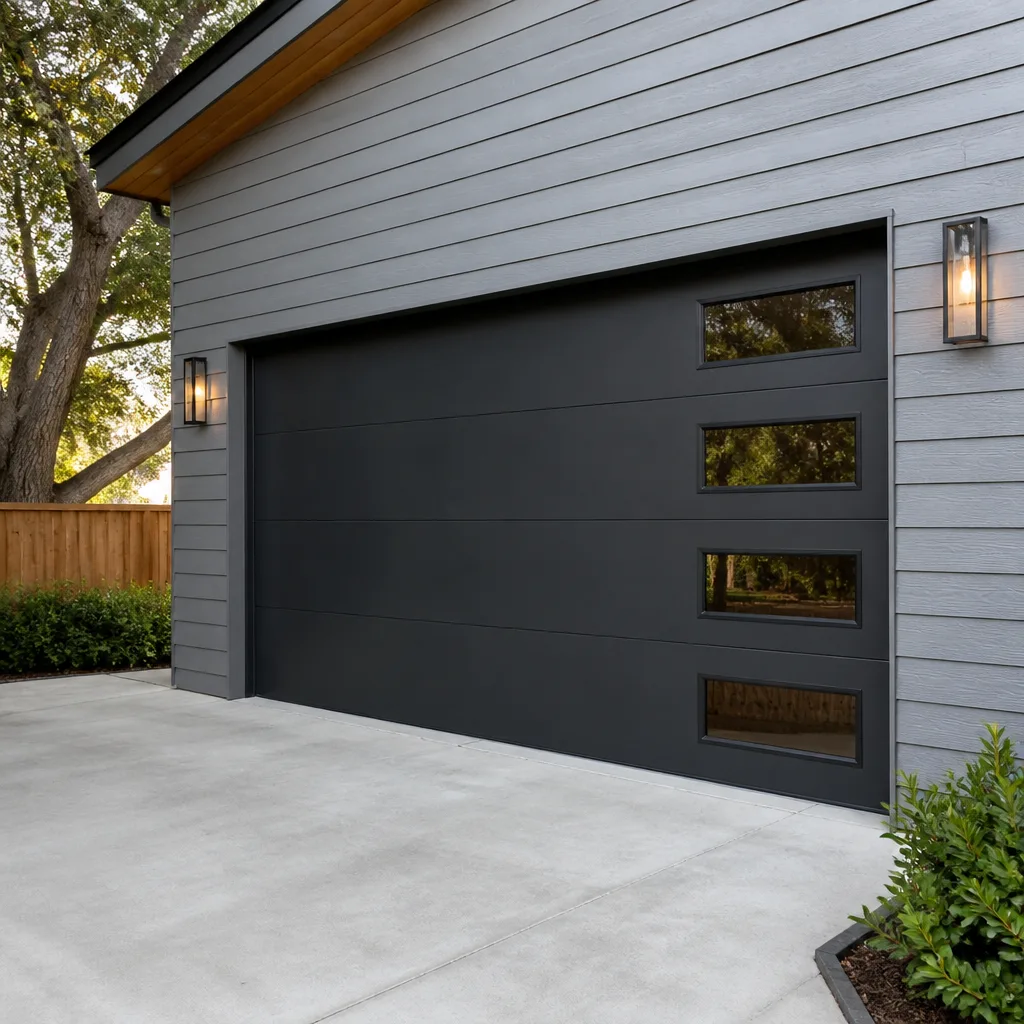 Modern flush
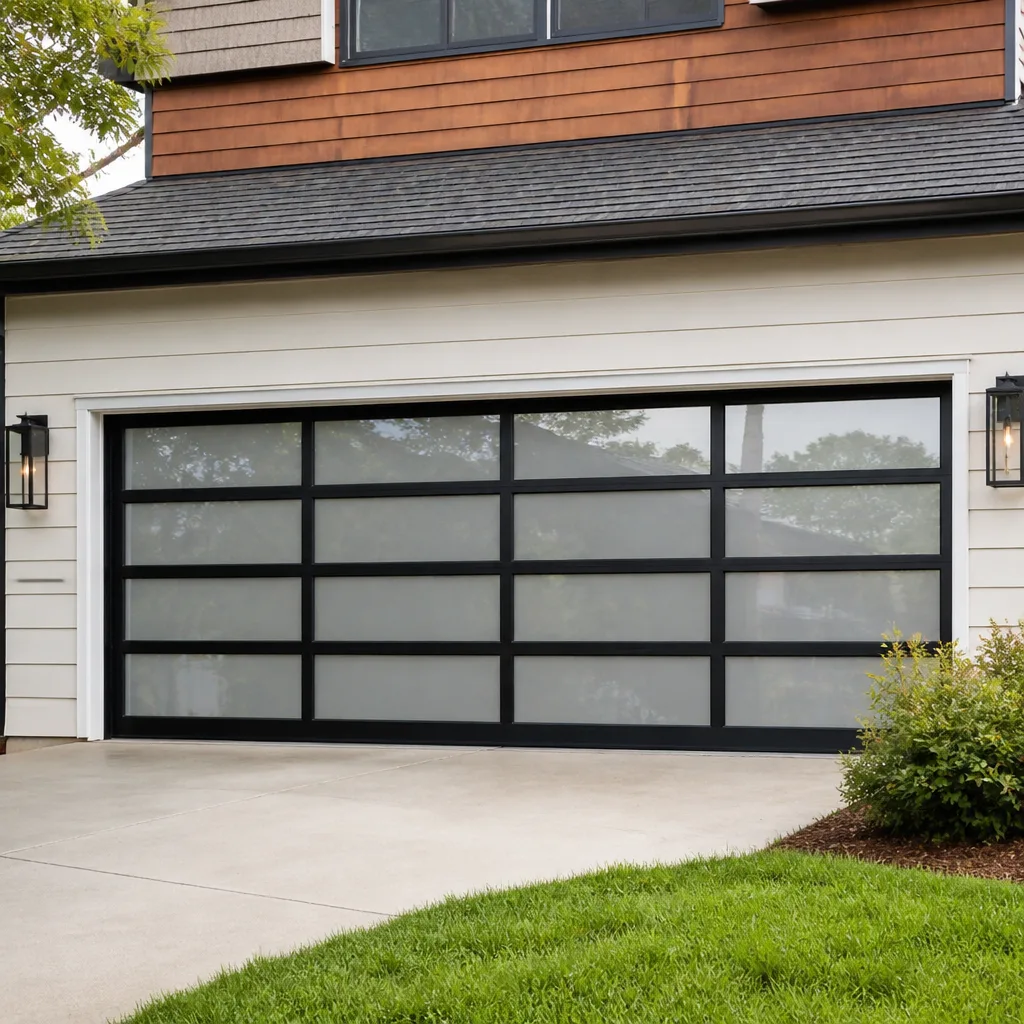 Full-view glass
 LiftMaster openers
 Chamberlain openers
Full 25-point door and opener safety check with every visit - springs, cables, rollers, tracks, and your LiftMaster or Chamberlain opener included
You get a price before we start. It does not change when the pro arrives.
Get your free estimateGarage Door Warning Signs: A Pawtucket Homeowner’s Reference Guide
Most garage door failures don’t come out of nowhere. They come with warnings: a grind that wasn’t there last month, a door that drops the last few inches harder than it used to, a cable that’s started to fray at the drum. The problem is that these warnings look small, and most homeowners don’t know which ones matter. A door that hesitates for two seconds before it moves isn’t “just getting old.” That pause usually means the spring tension, the cable drum, or the opener drive has fallen out of balance, and one of those parts will fail completely within weeks if the cause isn’t found. This guide names the sounds, behaviors, and visual cues behind each kind of failure so you can identify the problem, not just notice it. We’ll cover what you can safely check yourself in Pawtucket and what should make you stop using the door today.
Quick Answer
The most serious garage door warning signs in Pawtucket are a door that closes unevenly or slams down, a visible gap or stretch in a spring, a frayed or kinked cable, and a door that reverses on its own. Signs that mean schedule a repair soon include grinding, squealing, or popping sounds, a door that hesitates before moving, and an opener that strains or runs longer than it used to. If you see a broken spring or cable, stop using the door and call a professional.
Styles & brands we work with
- Raised-panel steel
- Carriage house
- Modern flush
- Full-view glass
- LiftMaster openers
- Chamberlain openers
Table of Contents
- Symptom-to-Cause Index: What Each Sound Tells You
- Visual Warning Signs on Springs and Cables
- Opener Problem or Door Problem? How to Tell
- Stop Using the Door Now vs. Schedule a Repair Soon
- Why Some Warning Signs Only Show Up in Cold or Wet Weather
- When Warning Signs Mean the Door Is Due for Replacement
- What You Can Safely Check Yourself
- What Garage Door Repair Costs in Pawtucket
Symptom-to-Cause Index: What Each Sound Tells You
Sound is the earliest warning a garage door gives you. Different noises point to different parts, and knowing which is which saves time when you call for garage door repair. Listen with the door closed and the room quiet, then run it and pay attention to where the sound comes from: the track, the overhead spring, or the opener unit.
- Grinding: Metal on metal, usually from dry or worn rollers, a bent track, or a torsion tube that needs lubrication. Grinding that gets louder each week points to rollers first.
- Popping: A sharp pop during opening or closing often means a torsion spring is winding unevenly or a cable has jumped its drum. A single loud pop followed by a door that won’t lift is usually a snapped spring.
- Squealing: High-pitched squeal from worn nylon rollers or a dry hinge line. It’s rarely dangerous, but it signals a door that’s working harder than it should.
- Rattling: Loose hinges, brackets, or panels. Rattling can also mean the door is out of balance and the opener is fighting the weight.
- Clicking at the opener: The gear or drive assembly is failing. A LiftMaster or Chamberlain unit that clicks and then stops moving is often a stripped gear.
In our experience across Pawtucket, popping and grinding get ignored longest. Homeowners hear them for weeks, and by the time they call, a $180 roller and track adjustment has become a spring or opener job. If the sound changes week to week, that’s your sign the part is wearing, not settling.
Visual Warning Signs on Springs and Cables
You can check the springs and cables from the ground without touching anything, and you should. Look straight up at the overhead spring assembly and the cable along each side of the door. Torsion springs sit above the door; extension springs run along the tracks. Both show warning signs before they let go.
- Stand at the center of the door and look at the spring. A healthy spring is one continuous coil. A gap anywhere in the coil means it has stretched or broken.
- Check the color code on the spring end. Springs are color-coded by wire size. If the paint looks faded or flaking, the spring has been working a long time and is closer to the end of its cycle life.
- Follow the cables down each side. A frayed cable shows loose strands, a kink, or a cable that’s come off its drum. Never touch a cable under tension; a frayed cable is a stop-use sign.
- Look at the bottom brackets and hinges. Rust stains or loose bolts at the bracket usually mean the door is out of balance.
Springs are the highest-risk part of the whole system. Torsion springs store enough force to cause serious injury if they’re handled wrong, which is why we handle spring work as its own service and why you shouldn’t cut, loosen, or unwind one yourself. A visual check is safe. Repair isn’t a weekend project. For anything involving the spring or cable, call for garage door spring repair. Many Pawtucket homes have doors built decades before the newer high-cycle spring designs, so an older spring near its limit is a common finding on a first visit.
Opener Problem or Door Problem? How to Tell
The quickest test: pull the emergency release and lift the door by hand. If it lifts smoothly and stays up on its own, the door is fine and the opener is the problem. If it’s heavy, binds, or drops back down, the door’s springs or balance are the issue, and running the opener is making it worse.
Opener symptoms are usually electrical or drive-related:
- The motor hums but the door doesn’t move, or moves only a few inches. A humming motor with a stuck door often points to a stripped gear or failing capacitor.
- The door reverses before it reaches the floor. The safety sensors or the force limit settings need adjustment.
- The wall button works but the remote doesn’t, or the remote only works close up.
- Lights flash and the opener stops mid-travel. Modern units like LiftMaster and Chamberlain report problems through the light code, which tells a technician exactly which part to check.
If you have a Craftsman or Genie opener that’s been on a Pawtucket ceiling for many years, you may get a simpler diagnosis: the drive gear commonly fails first, and a motor that runs without moving the door is the classic symptom. A door out of balance will wreck a good opener over time, so we always check balance before recommending an opener repair. If the opener itself is the problem, we cover garage door opener repair as a standalone service.
Stop Using the Door Now vs. Schedule a Repair Soon
Some warnings let you keep using the door for a few days while you plan the repair. Others mean stop today. The distinction saves you from turning a repair into a much larger job.
Stop using the door now:
- A visible broken or stretched spring. The door is unbalanced and one opener cycle can send it crashing.
- A frayed, kinked, or off-drum cable. Cables are under extreme tension.
- The door closes unevenly or slams the last few inches. This is an out-of-balance symptom.
- The door reverses on its own or won’t stay open.
- Loud popping, then the door stops raising. Don’t run it again.
Schedule a repair soon:
- Grinding, squealing, or rattling that’s getting louder.
- The door hesitates for a second or two before moving.
- A remote or wall button that’s finicky.
- Rust or loose bolts at hinges and brackets.
That two-second hesitation is worth taking seriously. It typically means the opener is laboring to lift a door that’s lost balance, and the strain wears the gear, the belt, or the chain. Left alone, the hesitation becomes a dead opener on top of a door that still needs balancing. A door with a broken spring or cable is also easy to leave partly open, and in a Pawtucket neighborhood that’s a security gap as much as a mechanical one. If the door fails to close, call and we’ll book it in.
Why Some Warning Signs Only Show Up in Cold or Wet Weather
New England weather stresses a garage door in ways that don’t show up in summer. A door that works fine in July can grind, stall, or slow down in January, and that seasonal pattern itself is a clue for a technician. Pawtucket sits in the state’s northeast corner, where winter freeze-and-thaw cycles are hard on door hardware.
- Stiff springs and slow openings: Cold makes steel and the lubricant inside the mechanism less flexible. A door that feels sluggish only in winter is often telling you the spring is near the end of its cycle life.
- Frost-locked sensors: Moisture or ice on the photo-eye lenses causes the door to reverse intermittently. A door that reverses on damp mornings usually has a sensor alignment or lens issue, not a faulty opener.
- Expanded gaps and track bind: Cold contracts and heat expands metal. A track that’s slightly out of line in summer can bind the rollers in winter, which is why grinding shows up on the coldest weeks.
- Rust and moisture: Damp air rusts hinges, bottom brackets, and track hardware. A fresh rust streak on a Pawtucket door most often points to a door that needs lubrication and a balance check.
When a homeowner tells us a door only misbehaves in cold or wet weather, that narrows the cause fast. It tells us which part is being stressed and which isn’t. If the symptoms appear year-round, the problem is usually structural rather than weather-related.
When Warning Signs Mean the Door Is Due for Replacement
There’s a point where repair stops making sense. Balance, panels, springs, and opener can each be replaced, but when several of these fail together on an old door, a new one is the better spend. Here’s how we think about it.
- Multiple panels are dented, bent, or rusted through. A bent panel often can’t be sourced, and a dented door collects water at every seam.
- The door is a single heavy sheet with an opener that strains to lift it. Older doors weren’t built for the safety standards today’s doors meet. A modern insulated door is lighter on the opener and quieter.
- Repeated spring or balance failures. One repair is fine. Three in two years on the same door means the whole assembly is tired.
- You’re paying for the same problem twice. A door out of true and an opener wearing out together is a sign to price a full replacement.
New doors from Clopay, Amarr, and Wayne Dalton cover most of what Pawtucket homeowners want, from a basic steel panel to a fully insulated door. Replacement is scheduled and measured, not a same-day emergency job, so expect a written price after a measure rather than an instant quote. If you’re unsure whether your door is a repair or a replacement, a single visit can settle it. We don’t push a new door when a repair will hold.
What You Can Safely Check Yourself
A few checks are safe for any homeowner and tell you a lot before you call. Everything here is done with the door closed and the power off, and nothing here asks you to touch a spring, cable, or bracket under tension.
- Run the door and listen. Note the sound and where it comes from. Write it down.
- Look up at the springs and cables. Look for a gap in the spring coil, a stretched spring, or a frayed cable. Don’t touch.
- Do the manual lift test. Pull the emergency release, lift the door halfway on the handle, and see if it holds. If it drifts or drops, the balance is off.
- Check the safety sensors. Look at the two photo-eyes by the floor. Clear the lenses and confirm the light on each stays on with the door down.
- Check the opener light codes. If your opener has a diagnostic light that blinks, note the pattern. LiftMaster and Chamberlain units use it to report fault codes.
- Look at the weather seal along the floor. A worn or torn bottom seal lets in water and cold, which is a replacement item, not a repair.
What you should not do: cut or unwind a spring, disassemble a cable drum, or stand under a door with a broken spring. Those jobs belong to trained technicians. Our technicians have up to 12 years of experience, and spring and cable work is a dedicated service because it’s the highest-risk part of the job.
What Garage Door Repair Costs in Pawtucket
Garage door repair in Pawtucket typically runs from $95 to $250 for general repairs such as rollers, tracks, and hinges. A single torsion spring costs $180 to $340, and because springs are replaced as a matched pair, a pair usually costs about twice that. The prices below are typical estimates for the area, and your written estimate sets the final price.
| Job | Typical Cost Range |
|---|---|
| Roller and hinge replacement | $95 – $250 |
| Track realignment | $95 – $250 |
| One torsion spring | $180 – $340 |
| Matched spring pair (usually replaced together) | About twice the single spring price |
| Opener repair | $95 – $250 |
| Bottom seal replacement | $95 – $250 |
Every price is quoted and agreed before any work starts, so you’ll know the number before the technician begins. There’s no surprise invoice after the fact. The estimate is free. Call (866) 947-9783. We answer 24/7. Fast dispatch from 7am to 7pm, Sunday through Friday.
Common Mistakes to Avoid
- Ignoring a two-second hesitation. It’s the door telling you something is out of balance. Waiting usually means paying for an opener repair you didn’t need to make.
- Running a door with a broken spring. The opener can lift a portion of the door but won’t control the drop. Stop using it and get it fixed.
- Treating a popping torsion spring as “settling.” Springs don’t settle. A pop during opening is a warning the spring is winding wrong or near failure.
- Tightening the cables yourself. Cable work is dangerous and easy to get wrong. Never touch a cable under tension.
- Reading a cold-weather problem as a permanent fault. A door that only grinds in the cold months is telling you something specific about the season’s effect on the part.
- Brushing off a frayed cable as cosmetic. A frayed cable will fail. It’s the clearest stop-use sign on the door.
- Assuming a new opener fixes a heavy door. A new unit on an unbalanced door wears out faster. Check balance first.
See the difference
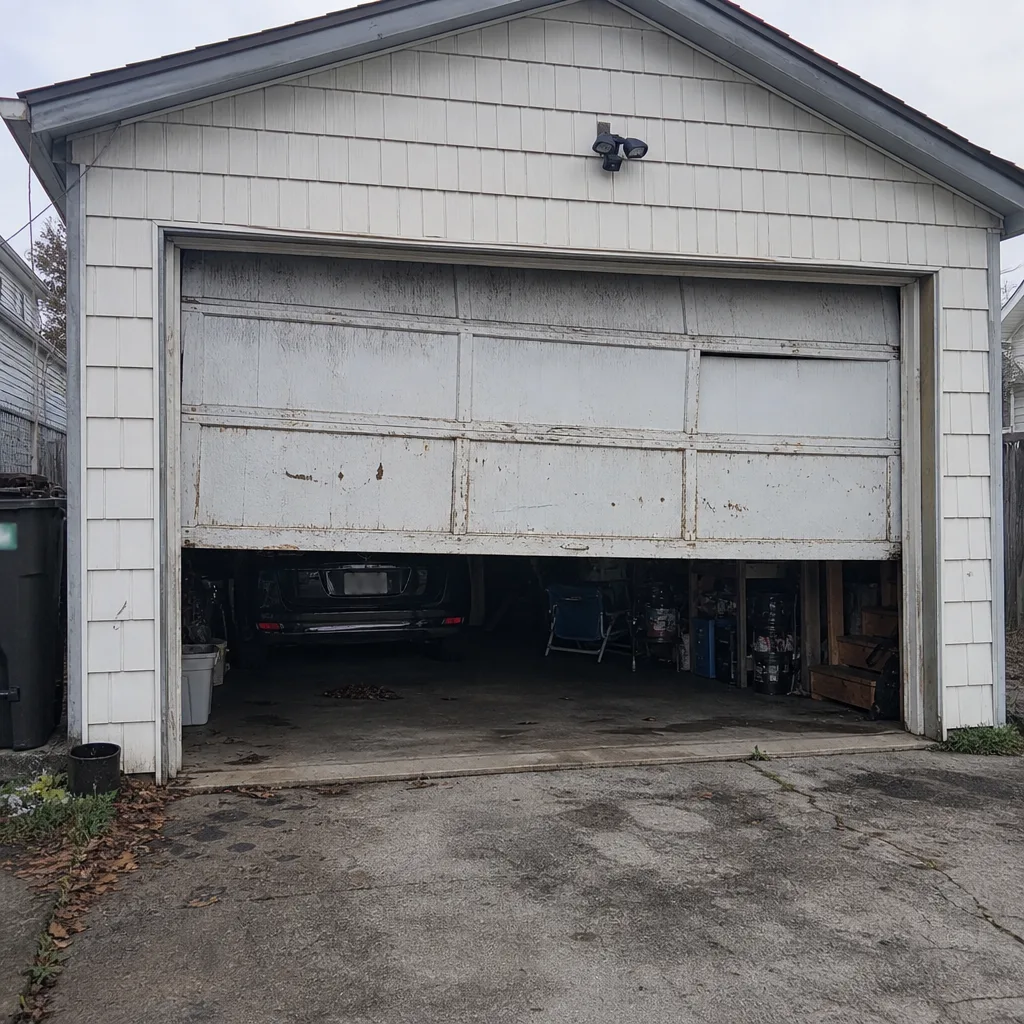 Before
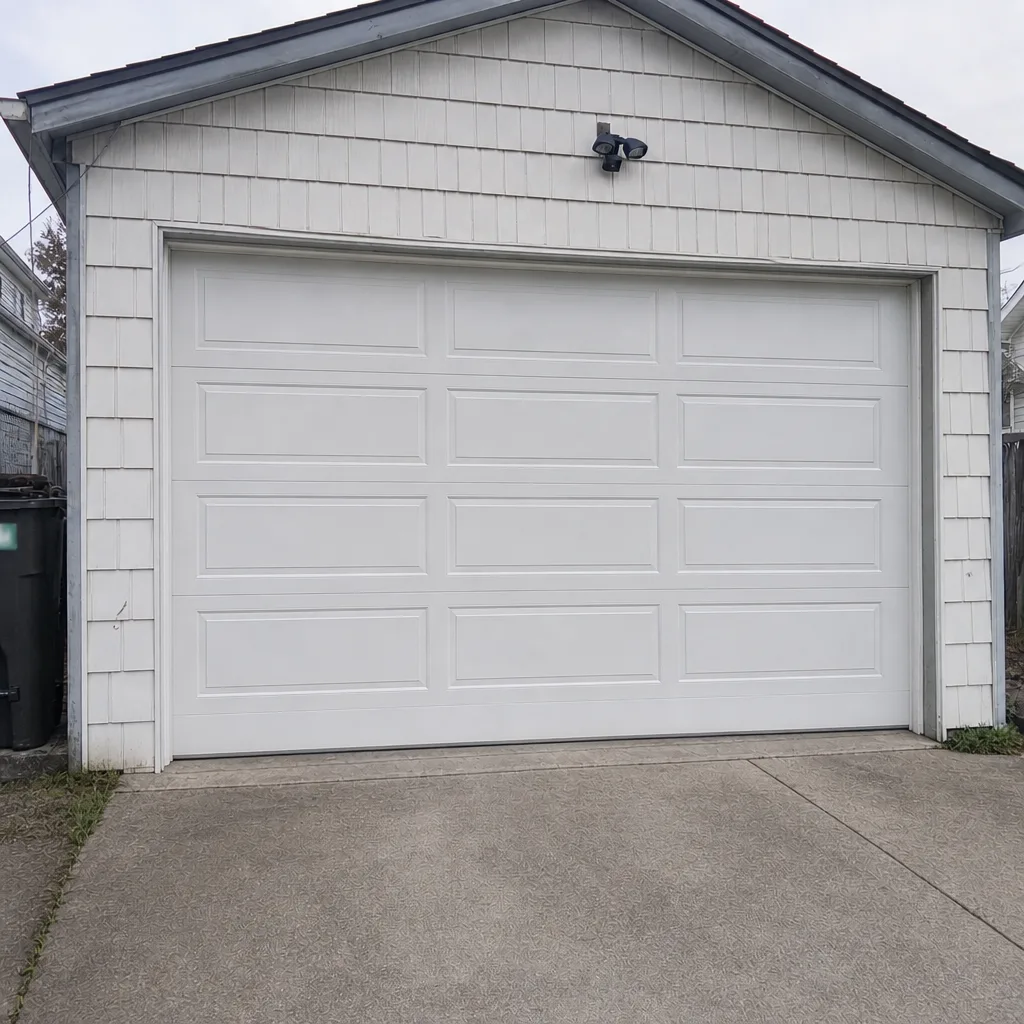 After
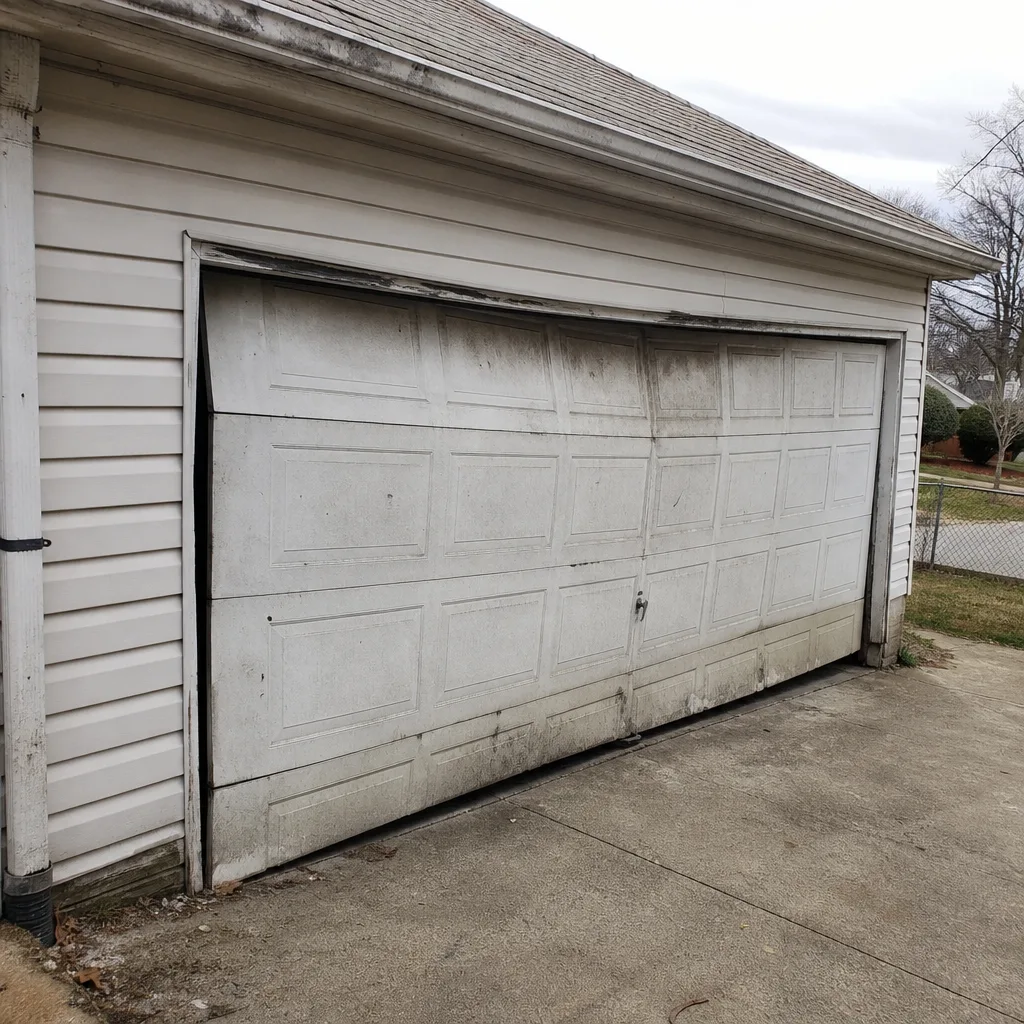 Before
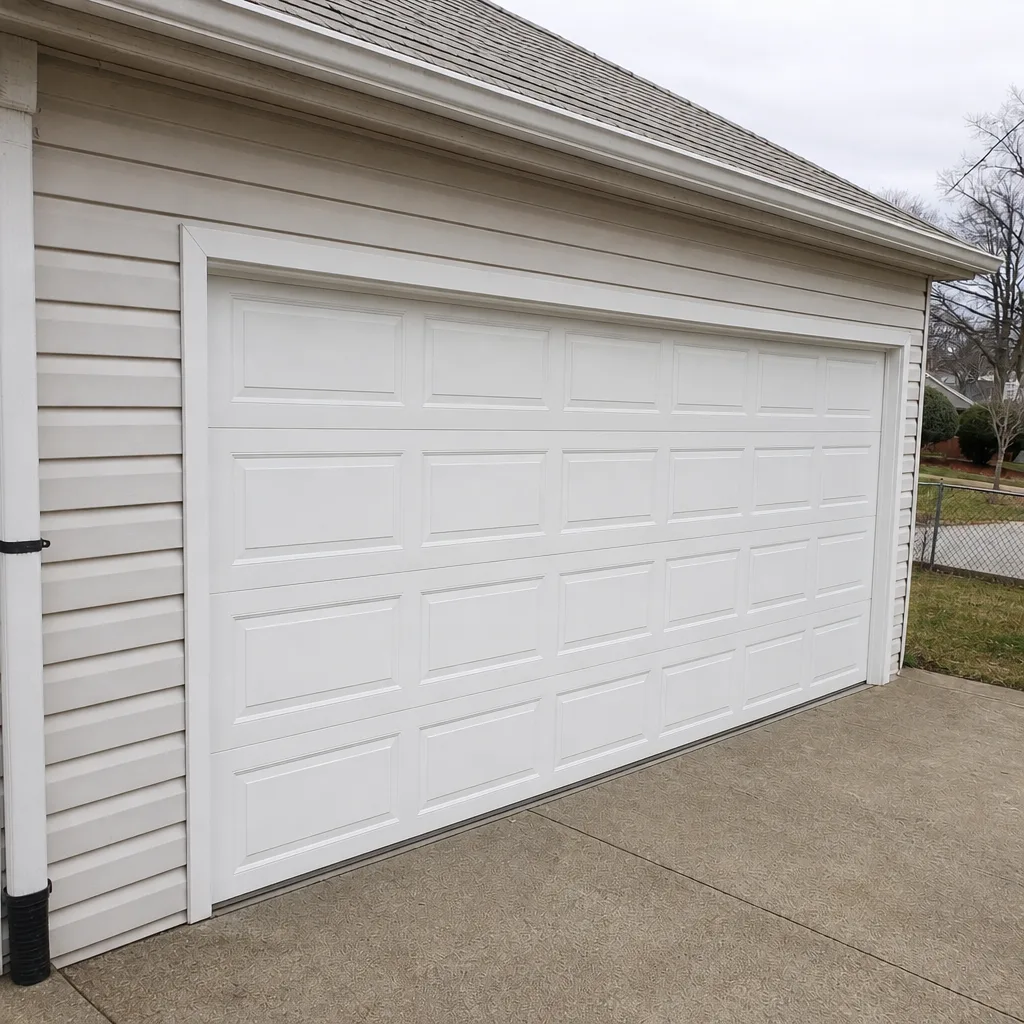 After
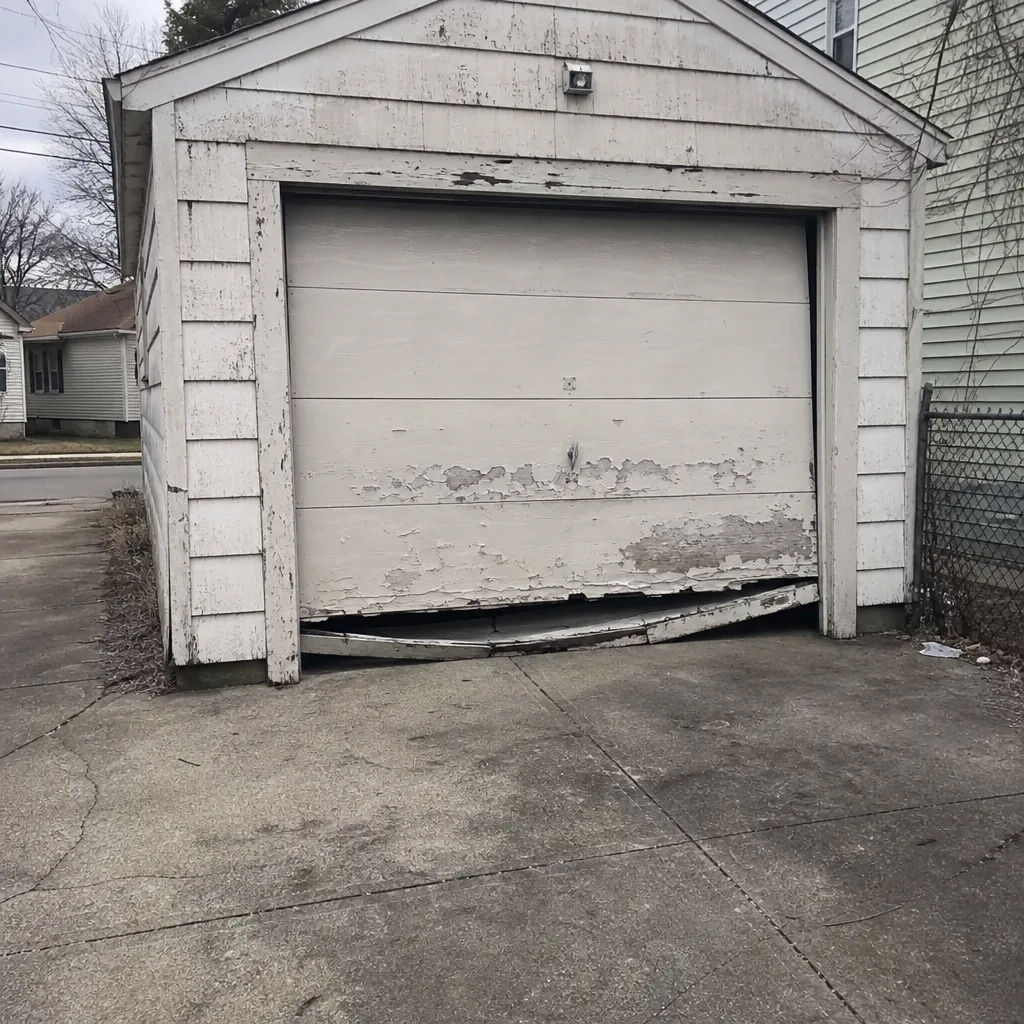 Before
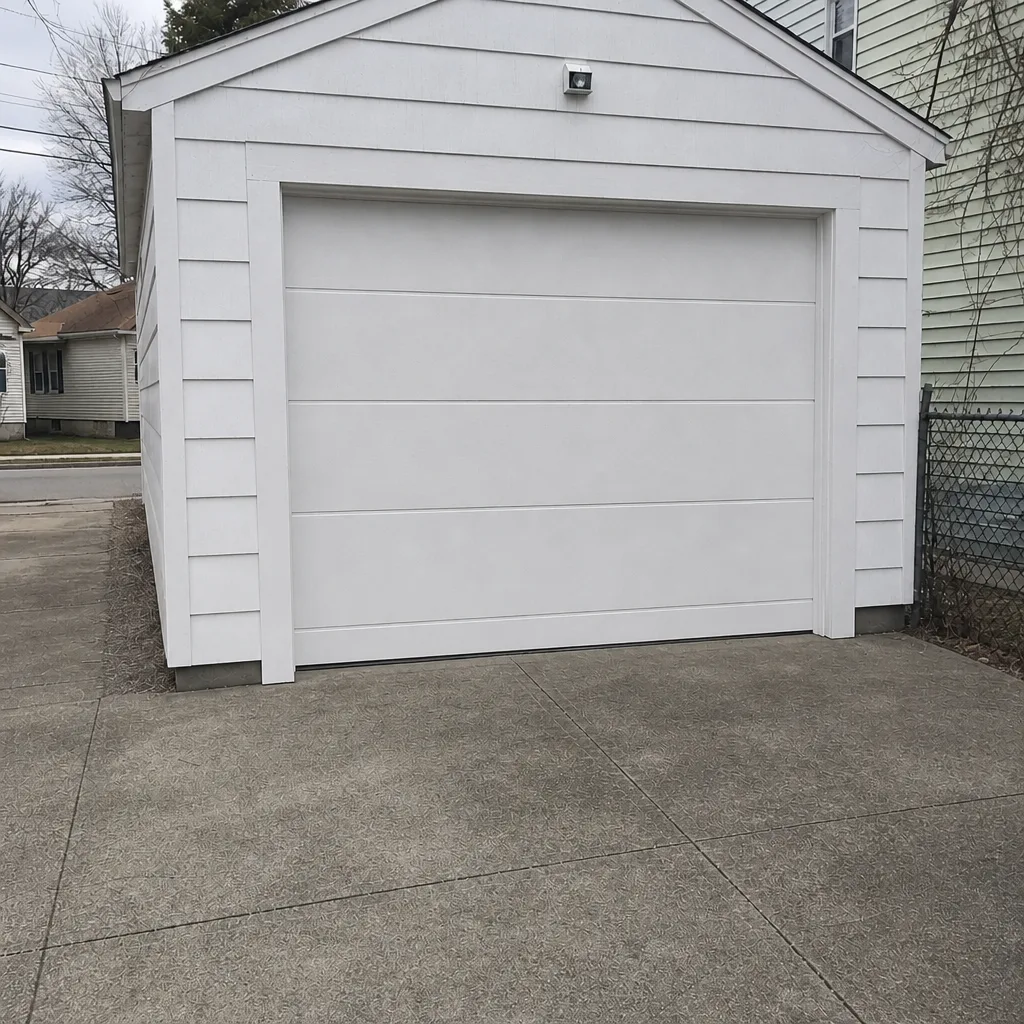 After
When to Call a Professional
Call a professional when you see a broken or stretched spring, a frayed cable, a door that closes unevenly, or a door that reverses on its own. Call after the first loud pop, and call if the opener hums without moving the door. For grinding, squealing, or a door that hesitates before moving, book a repair and stop ignoring it. Our technicians have up to 12 years of experience and work on the brand you already have, including Amarr, Wayne Dalton, Craftsman, and Raynor doors and openers. Pawtucket Garage Door Repair offers free estimates in Pawtucket; call (866) 947-9783. We answer 24/7. Fast dispatch from 7am to 7pm, Sunday through Friday. Closed Saturday. A call outside dispatch hours is booked into the next opening.
Frequently Asked Questions
The first sign is usually a change in sound or movement: grinding, popping, or a door that hesitates a second before it opens. That hesitation means the springs or balance are off and the opener is laboring. Call (866) 947-9783 for a free estimate. We answer 24/7, with fast dispatch from 7am to 7pm, Sunday through Friday.
One torsion spring in Pawtucket typically costs $180 to $340, and a matched pair is usually about twice that because both springs are replaced together. Your written estimate sets the final price. Call (866) 947-9783 for an exact quote – estimates are free.
No. A broken spring leaves the door unbalanced, and the opener can’t safely control its weight. Stop using the door and call for spring repair. The written estimate is quoted and agreed before any work starts. Call (866) 947-9783.
Cold weather stiffens springs and lubricant and contracts metal, so worn rollers, a slightly misaligned track, or an aging spring bind more in winter. A door that grinds only in the cold usually points to a specific worn part, not a general fault. We can confirm the cause on a free estimate. Call (866) 947-9783.
Pull the emergency release and lift the door by hand. If it lifts smoothly and holds, the door is balanced and the opener is the problem. If it’s heavy or drops, the door needs balancing first. Call (866) 947-9783 for a free estimate.
The local professional we connect you with is licensed and insured as Rhode Island requires. Our technicians have up to 12 years of experience and work on the brand you already have. Call (866) 947-9783 for a free estimate.
The Bottom Line
A garage door almost always warns you before it fails. The sounds (grinding, popping, squealing) point to a specific part. The visual signs (a gap in a spring, a frayed cable) mean stop and call. The hesitation you feel before the door moves is an out-of-balance door wearing down the opener. Cold-weather-only symptoms narrow the cause fast. When you know which warning sign you’re looking at, you can decide whether it’s a schedule-a-repair problem or a stop-using-the-door problem, and you won’t pay for the wrong fix. For a free estimate in Pawtucket, call Pawtucket Garage Door Repair at (866) 947-9783. We answer 24/7. Fast dispatch from 7am to 7pm, Sunday through Friday.
Written by the team at Pawtucket Garage Door Repair.