
Last updated November 23, 2026
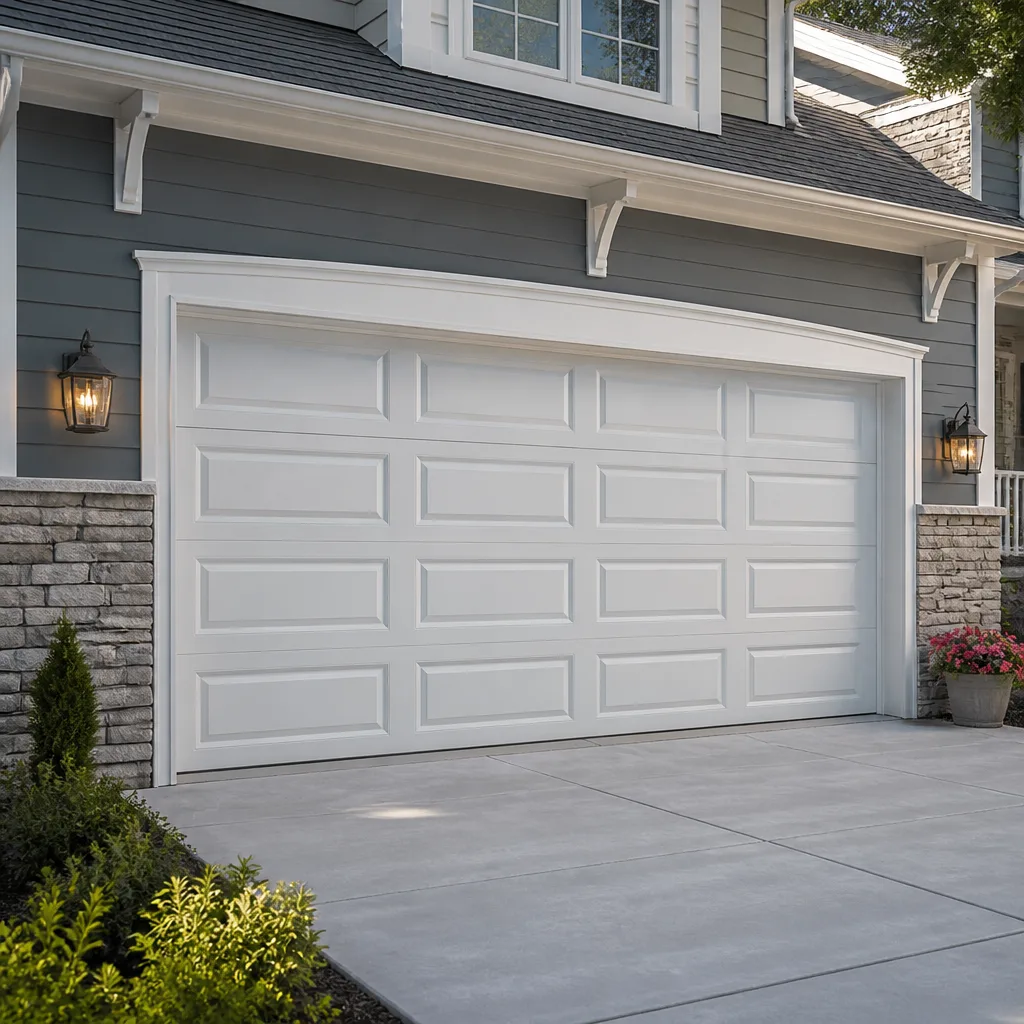 Raised-panel steel
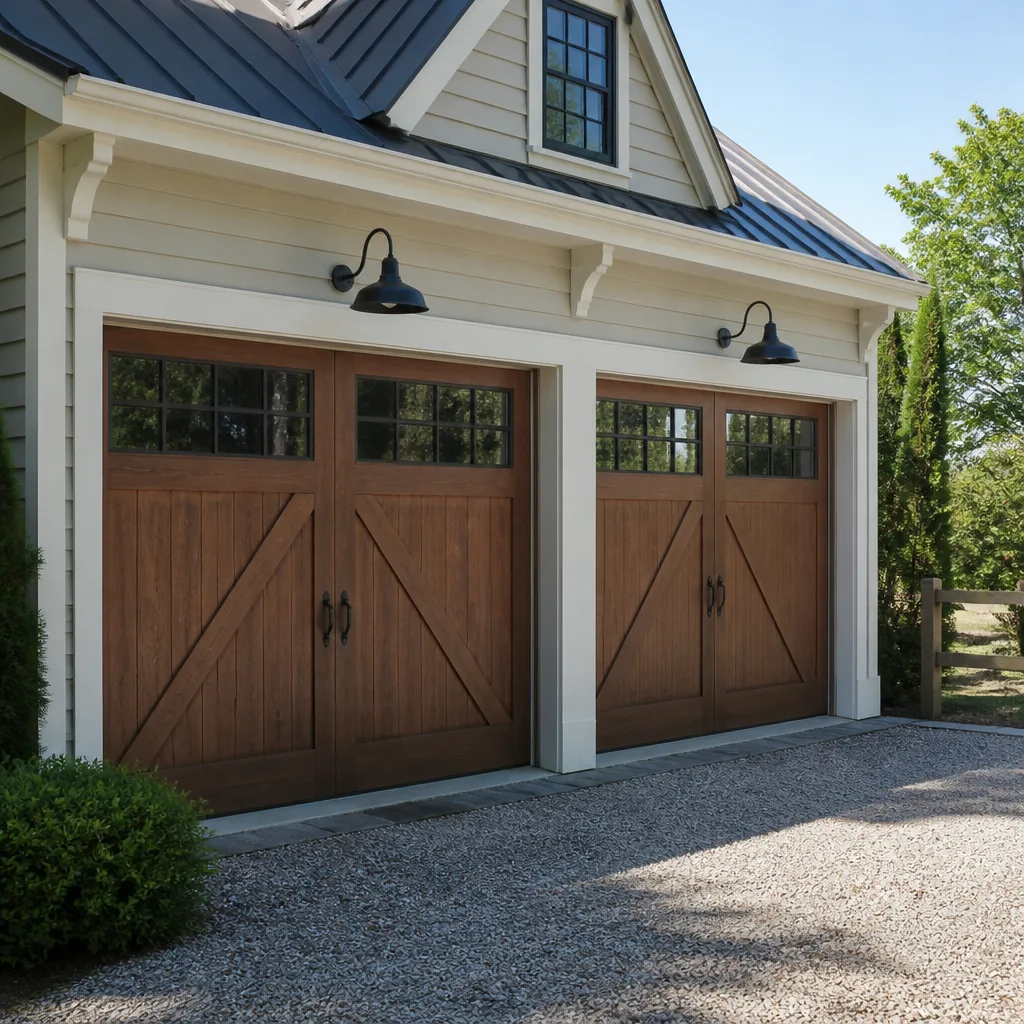 Carriage house
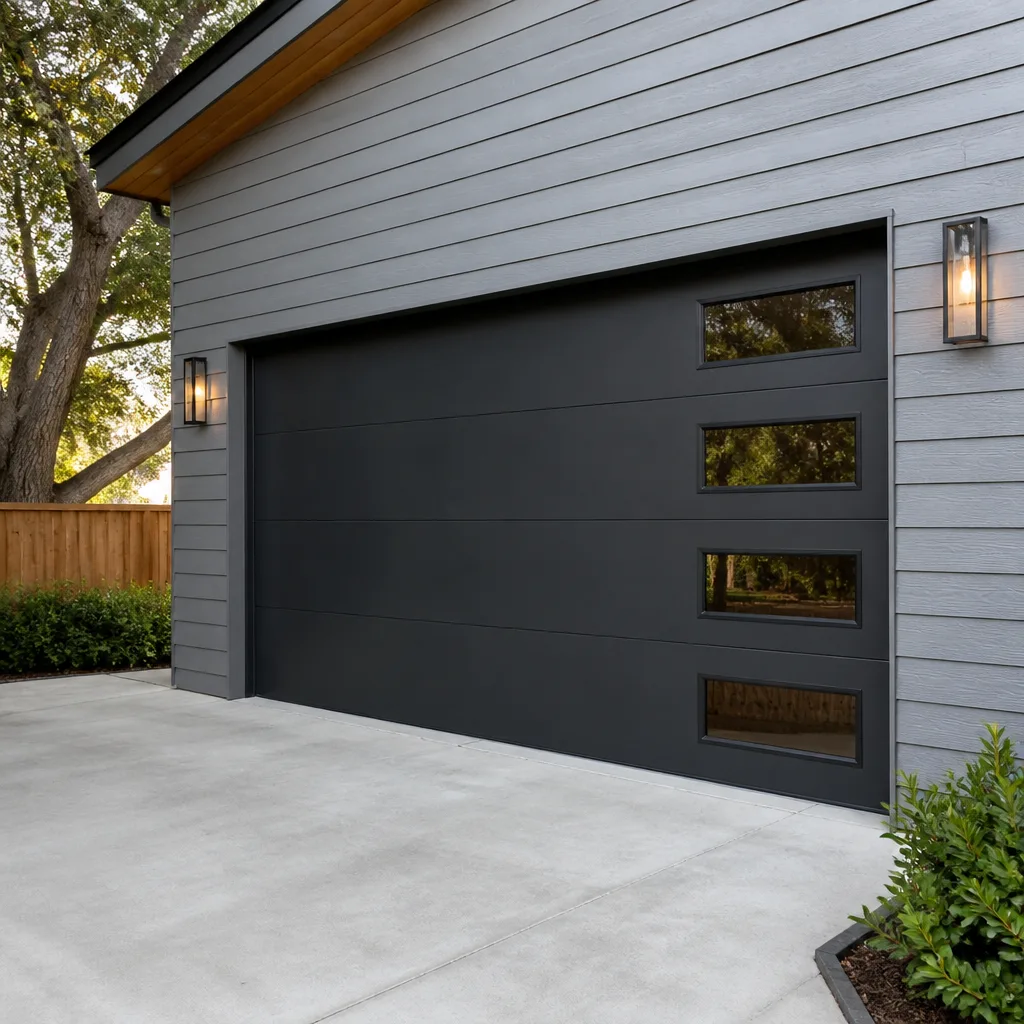 Modern flush
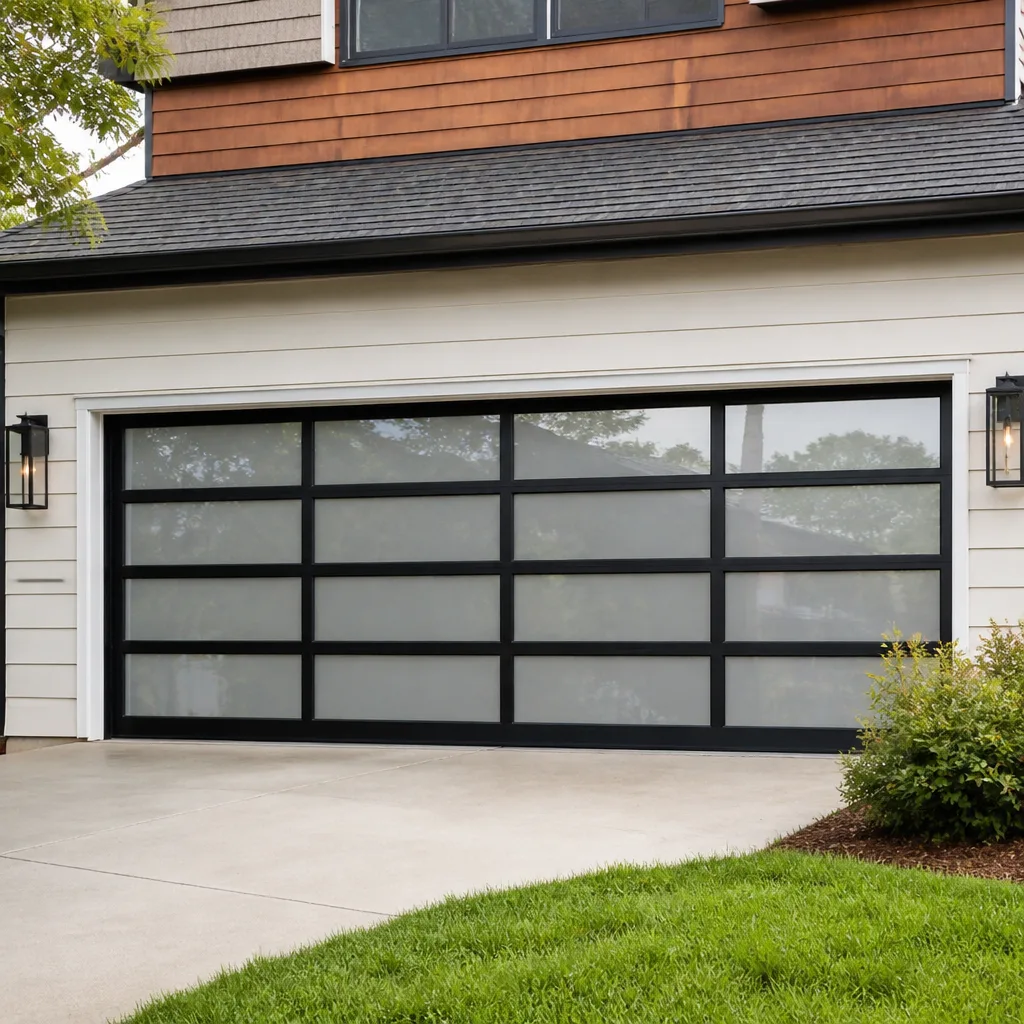 Full-view glass
 LiftMaster openers
 Chamberlain openers
Full 25-point door and opener safety check with every visit - springs, cables, rollers, tracks, and your LiftMaster or Chamberlain opener included
You get a price before we start. It does not change when the pro arrives.
Get your free estimateSeasonal Garage Door Care for Pawtucket: Year-Round Homeowner’s Guide
The most damaging day for a garage door in Pawtucket is often not a blizzard. It’s the 38-degree rain in March that soaks the bottom seal, freezes overnight, and welds the rubber to the concrete floor. When the opener lifts the next morning, either the seal tears away in chunks or the door strains against a bond that shouldn’t exist. That single cycle of thaw and refreeze, repeated through a Rhode Island winter, accounts for more roller and bottom-seal failures than any storm we see. This guide maps garage door care to Pawtucket’s actual climate calendar rather than a generic four-season template, so you’ll know what to check in October, what to inspect in April, and which jobs belong to a trained technician.
Quick Answer
Seasonal garage door maintenance in Pawtucket means preparing the bottom seal, springs, and tracks before the first hard freeze in late fall, keeping the opener responsive through cold snaps, checking for freeze-thaw damage each spring, and managing humidity on wood doors in summer. Most of the work is inspection and lubrication you can do yourself. Spring, cable, and track repairs belong to a trained professional because they carry serious injury risk.
Styles & brands we work with
- Raised-panel steel
- Carriage house
- Modern flush
- Full-view glass
- LiftMaster openers
- Chamberlain openers
Table of Contents
- Why Pawtucket’s Climate Is Hard on Garage Doors
- Fall Preparation: Before the First Hard Freeze
- Winter: Why Your Opener Feels Sluggish (and How to Fix It)
- Spring Inspection After a New England Winter
- Summer Humidity and Wood Door Care
- Month-by-Month Maintenance Calendar
- What You Can Do Yourself vs. What Needs a Professional
- Neighborhood Notes: Different Housing, Different Doors
Why Pawtucket’s Climate Is Hard on Garage Doors
Pawtucket sits in a climate where the temperature swings across the freezing line dozens of times each winter. A door doesn’t fail because it got cold once. It fails because it went through freeze-thaw cycles over and over from November into March, and each cycle stresses the materials a little more.
Here’s what’s actually happening to your door while you sleep:
- The bottom seal bonds to the floor. Melting snow and rain creep under the door, then refreeze overnight, gluing the rubber seal to the concrete. Each forced lift pulls the seal loose or tears it.
- Rollers flatten and seize. Cold makes bearing grease stiffen. The metal rollers that glide along the track develop flat spots, and the door gets noisy and jerky.
- Springs work harder. A torsion spring under tension behaves differently in the cold. The spring that balanced your door smoothly in October may need a bit more opener effort in January, which is a sign of wear, not a reason to raise a setting.
- Tracks contract and shift. The thin-gauge steel of your track expands and contracts with temperature changes, and small gaps or misalignments can develop at the joints.
- Wood panels swell. Older wood doors absorb moisture in wet weather and shrink in dry weather, warping slightly with each cycle.
None of this means your door is doomed. It means the maintenance calendar here doesn’t look like it does in a milder climate. A door in Rhode Island sees more thermal stress in a single winter than a door in a warm, dry region sees in several years. The rest of this guide walks you through what to do and when, and the general service our technicians handle is covered at Pawtucket Garage Door Repair.
Fall Preparation: Before the First Hard Freeze
The single most important window in Pawtucket is the stretch from late October to early November, before the first hard freeze sets in. Everything you do in fall prevents the failures that would otherwise show up in January. Skip this window and you’ll spend the winter dealing with problems a few hours of attention could have avoided.
What to handle before the first hard freeze:
- Test the bottom seal. Close the door and look for light under it. Any visible light means the seal is worn and water can get in. A seal that’s already cracked or brittle won’t survive a winter of freezing.
- Lubricate the moving parts. Apply a proper garage door lubricant to hinges, rollers, and spring coils. This helps the door move smoothly when the cold stiffens the grease that’s already there. Avoid applying until you’ve read the winter section below – cold weather has its own rules.
- Check the balance. Disconnect the opener and lift the door halfway by hand. A well-balanced door stays there. If it falls or feels heavy, the springs are wearing and should be inspected by a professional before winter stress hits.
- Inspect the weatherstripping around the frame. The trim seals on the sides and top keep snow and wind from blowing in. Replace any that’s cracked, missing, or pulling away.
- Clear the tracks. Sweep out debris, leaves, and grit. Rollers rolling over grit wear down faster and can seize.
- Test the safety sensors. They should stop the door if anything is in the way. Cold weather can affect the sensor alignment, so verify the sensors are clean, aligned, and lit before the season gets going.
If your fall inspection turns up a problem with the door’s balance or a spring that’s clearly lost tension, that’s a job for a trained technician. The work is safety-critical and isn’t something to attempt around the coils. You can read more about what that service involves at garage door spring repair.
Winter: Why Your Opener Feels Sluggish (and How to Fix It)
When the opener gets slow or lazy in January, most homeowners assume the motor is failing. In our experience, that’s rarely the case. Cold-weather sluggishness almost always traces back to the battery, the lubrication, or the balance of the door itself, and none of those need a new motor.
Work through these in order before assuming the opener is finished:
- Check the batteries in the remotes and keypad. Cold drains batteries faster, and a weak battery produces exactly the symptom people describe as a dying motor: the door opens partway or only responds when you’re close.
- Examine the door’s balance and rollers. If the door itself is heavy or the rollers are stiff from cold, the opener has to work harder, and the strain reads as sluggishness. Lube the rollers and hinges.
- Look at the travel and force settings. These are the opener’s adjustments for how hard it pushes and how far it travels. If they’ve drifted, the door responds unevenly. This is the one adjustment to leave to a professional rather than experiment with, because the force setting is also a safety feature.
- Inspect the safety sensors. A sensor knocked slightly out of alignment – common when a snow shovel or stored item bumps it – will make the door hesitate or reverse for no obvious reason.
- Consider the opener’s age. If the unit is older, a worn drive gear or belt can slow response regardless of the temperature. That’s a repair, not a seasonal tweak.
Most winter opener complaints on the Craftsman, Raynor, LiftMaster, and Chamberlain units we work on resolve with a battery change or lubrication. If it doesn’t, the team handles garage door opener repair as a standalone specialty. Our technicians have up to 12 years of experience diagnosing these systems, so we fix what’s actually wrong rather than recommending a replacement you don’t need.
Spring Inspection After a New England Winter
By the time the snow is gone, your door has been through months of stress, and the damage from freeze-thaw cycles is now visible. Spring is inspection season. Here’s what a post-winter check should cover, and what each problem looks like.
What freeze-thaw damage looks like on springs
A torsion spring that survived October may still be carrying its tension fine, or it may have developed a small fracture you can’t see. Visible signs include a gap in the coil, a door that’s suddenly much heavier than it was, or a door that doesn’t hold its position when you lift it halfway. Never put your hands near a spring to inspect it – look from a distance and let a technician examine it. A spring under tension can release suddenly and cause serious injury.
What freeze-thaw damage looks like on tracks
Run your eyes down both vertical and horizontal tracks. A track that survived winter may have bent out of alignment, developed gaps at the joints, or picked up rust. A door that runs rough or rattles as it travels is often riding a track that’s no longer true.
What freeze-thaw damage looks like on weather seals
This is where the damage is usually worst. The bottom seal that welded itself to the floor through repeated freeze-thaw cycles will be torn, cracked, or missing whole sections. The side and top seals may show similar wear. A seal that’s failed lets water in, which starts the whole cycle over next winter.
Spring inspection checklist:
- Look closely at the coils and any visible cracks (from a distance)
- Test the door’s balance by hand with the opener disconnected
- Examine both tracks for bends, gaps, and rust
- Check the bottom, side, and top seals for tears or gaps
- Test the safety sensors and the auto-reverse
- Listen for grinding, rattling, or squealing during travel
If any of these turn up a problem, that’s the moment to call. Repairs made in spring prevent the next winter from repeating the same damage. The garage door repair service covers everything from a single broken panel to track and seal work, and free estimates are always available.
Summer Humidity and Wood Door Care
Pawtucket’s summers bring real humidity, and if you have a wood garage door, that moisture is the main threat to its shape. Wood swells when it absorbs moisture and shrinks as it dries, and each wet-to-dry cycle nudges the panels a little further out of true. The good news is you can slow the warping considerably without replacing the door.
How to protect a wood door through the humid months:
- Keep the finish intact. A sealed, painted, or stained surface is your door’s main defense against moisture. Check each summer for peeling or cracking, and touch up any bare spots before they spread.
- Don’t power-wash. Hosing a wood door pushes water into seams and joints. Clean with a damp cloth and a mild cleaner instead.
- Watch the bottom edge. The bottom of the door is closest to wet ground and takes the most moisture. Check that the bottom seal is intact and that the wood edge isn’t absorbing water from the floor.
- Let a warped panel be assessed before you replace it. A slightly warped or swollen panel can often be addressed. A full door replacement is only necessary when the warping is severe, structural, or affecting the frame.
- Ventilate the garage. Airflow dries out trapped moisture. A garage that’s sealed tight in summer holds humidity longer.
If a wood door has already warped badly enough that it’s rubbing a track or not sealing, the door itself may need replacing. That’s a full-scope job, and the team handles everything from a single broken panel to a full new door. Book a free measure and get a written price before you commit to anything.
Month-by-Month Maintenance Calendar
Here’s the calendar we’d give any homeowner in Pawtucket. It’s built around average temperature ranges and the freeze-thaw line, not a generic four-season list.
October to November: The critical prep window
- Test the bottom seal and replace if worn
- Lubricate hinges, rollers, and springs
- Test the door’s balance by hand
- Inspect side and top weatherstripping
- Clear the tracks
- Test safety sensors and auto-reverse
December to February: Winter monitoring
- Watch for the door bonding to the floor on cold mornings – if the seal is frozen to the concrete, don’t force it. Tap the door free before opening, or the opener may strain
- Replace remote batteries at the first sign of sluggish response
- Keep the tracks clear of snow, ice, and grit
- Listen for new noises that signal a roller or alignment problem
March to April: The spring inspection
- Check for freeze-thaw damage on springs, tracks, and seals
- Test the balance again after winter
- Inspect the opener’s operation
- Replace any seal that failed over the winter
May to September: Humidity and finish care
- Clean wood doors with a damp cloth, never a power washer
- Touch up finish and paint on wood doors
- Check the bottom edge and seal for moisture intrusion
- Lubricate moving parts at least once mid-season
You don’t need to remember every item. The key dates are the two transitions: the late-fall prep before the first hard freeze, and the spring inspection once the worst of the cold is past. Those two checkpoints prevent the most common failures.
What You Can Do Yourself vs. What Needs a Professional
Some seasonal maintenance is simple and safe. Some of it genuinely isn’t. Knowing the line between them prevents injuries and avoids making an existing problem worse.
Safe to handle yourself
- Testing the door’s balance by hand (with the opener disconnected)
- Lubricating hinges, rollers, and springs
- Cleaning the tracks
- Replacing remote and keypad batteries
- Cleaning and aligning safety sensors
- Inspecting seals and weatherstripping for wear
- Touch-up painting and finish on wood doors
Needs a trained professional
- Spring repair or replacement – torsion and extension springs are under extreme tension and can cause serious injury if they release
- Cable work – cables are under high tension and are equally dangerous
- Track straightening or replacement
- Bottom seal replacement if the door needs to come off the track
- Opener force and travel adjustments
- Panel replacement
- Anything that means getting under a partially open door
The spring and cable jobs are the ones to be most careful about. These components store a lot of energy, and there’s no safe way to handle them without the right tools and experience. We handle spring repair as a dedicated, specialized service for exactly that reason. If you’re ever unsure whether a job is DIY-safe, ask before you touch it.
Neighborhood Notes: Different Housing, Different Doors
Pawtucket isn’t one uniform market. The housing stock varies across the city, and that changes what your door needs through the year.
In the older residential neighborhoods around the city, you’ll find more wood doors and older openers, which means summer humidity and cold-weather opener performance matter more. The wood panels need annual finish checks, and the older openers respond best to routine cleaning and lubrication rather than being nursed through repeated failures. In areas with newer construction and attached garages, the doors are often steel or aluminum, and the seasonal concerns shift toward the bottom seal, rollers, and track alignment rather than wood care.
No matter what kind of door you have, the same two checkpoints apply: fall prep before the first hard freeze and a spring inspection once the cold is past. The team serves all of Pawtucket – downtown, the neighborhoods around Slater Park, and the residential streets on the edge of the city. We work on the brand you already have, whether it’s a Craftsman opener or a Raynor door, and we don’t push a replacement when a repair is the right answer.
Common Mistakes to Avoid
- Skipping the fall check. The single biggest mistake we see is waiting until the door breaks in January to think about it. The prep you do in October or November prevents most of the winter failures.
- Power-washing a wood door. It pushes water into every seam and speeds up warping. A damp cloth and mild cleaner do the job without soaking the wood.
- Forcing a frozen door open. When the bottom seal is bonded to the floor by overnight ice, pulling the opener strains the whole system. Free the seal first.
- Replacing the opener because it’s slow in winter. Most cold-weather sluggishness is a battery or lubrication problem, not a dead motor. Check the simple things first.
- Adjusting the opener’s force setting as a fix. Turning up the force to compensate for a heavy door hides the real problem and can make it harder for the safety reverse to work.
- Attempting spring work without the right tools and experience. This is the highest-risk job in the trade, and the risk is real. Call a professional.
- Ignoring a small seal tear through the winter. A small tear lets water in, and the freeze-thaw cycle widens it. A quick repair in the fall saves a bigger one in the spring.
See the difference
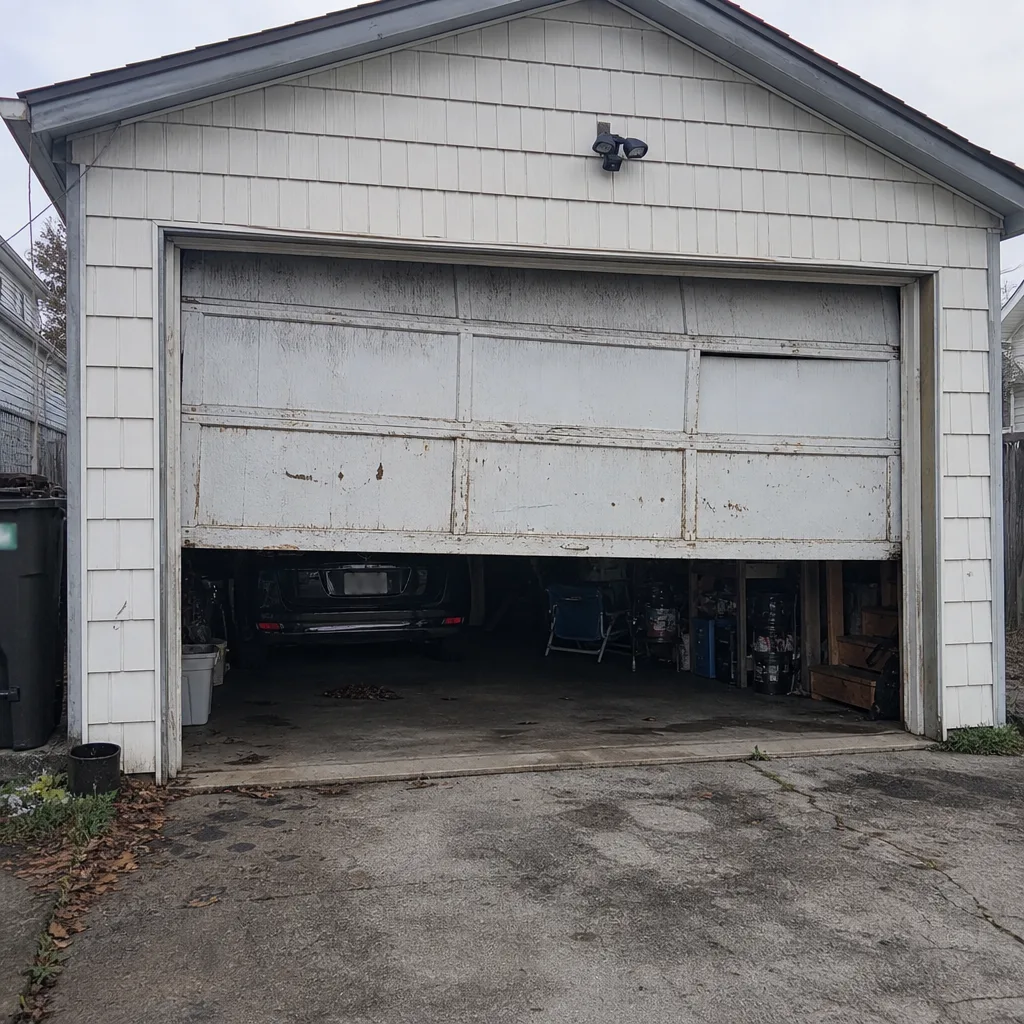 Before
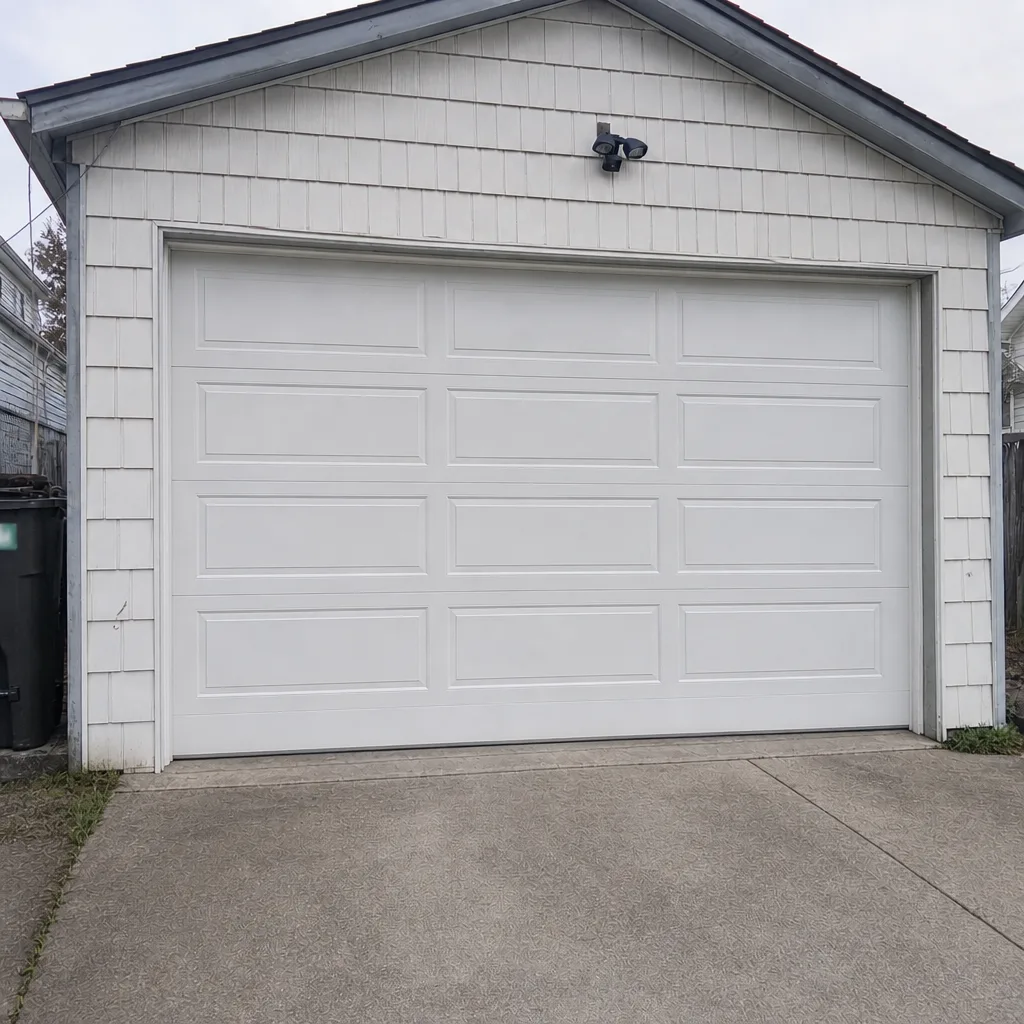 After
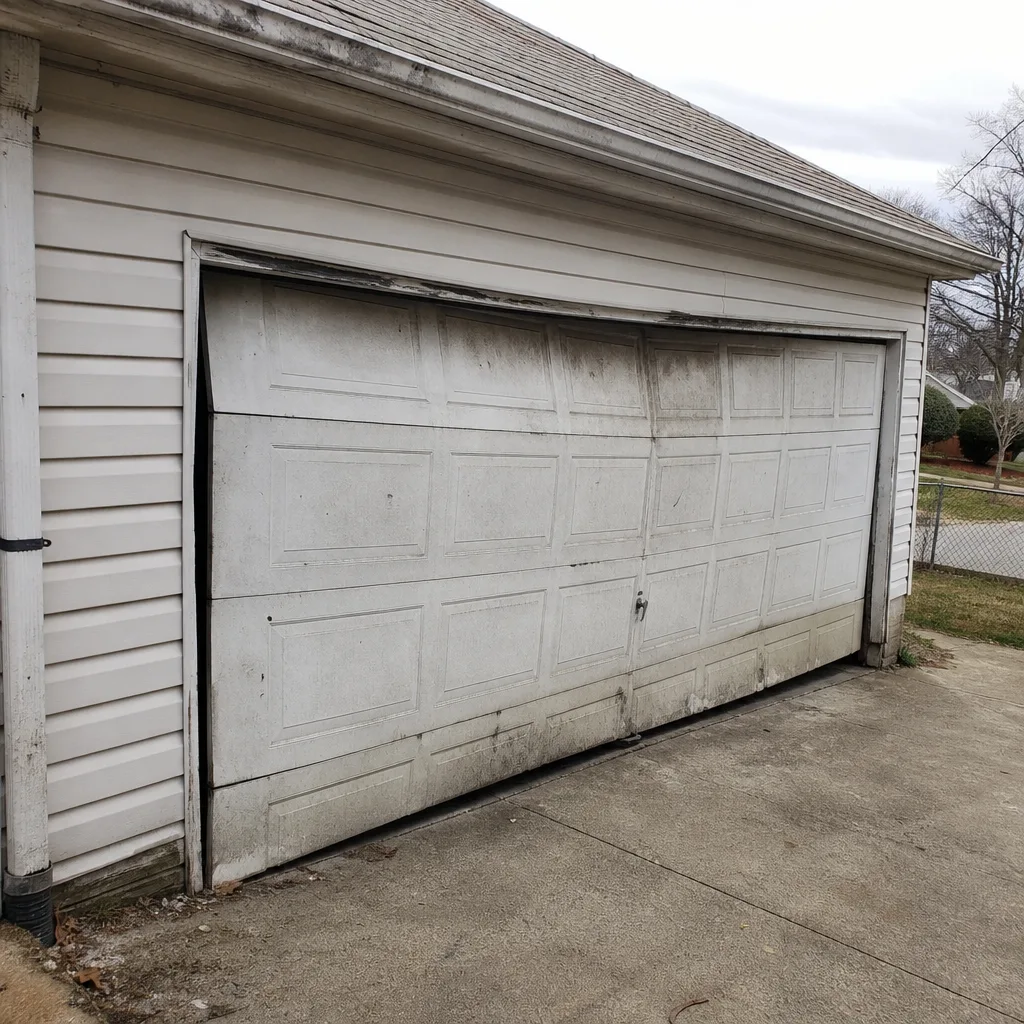 Before
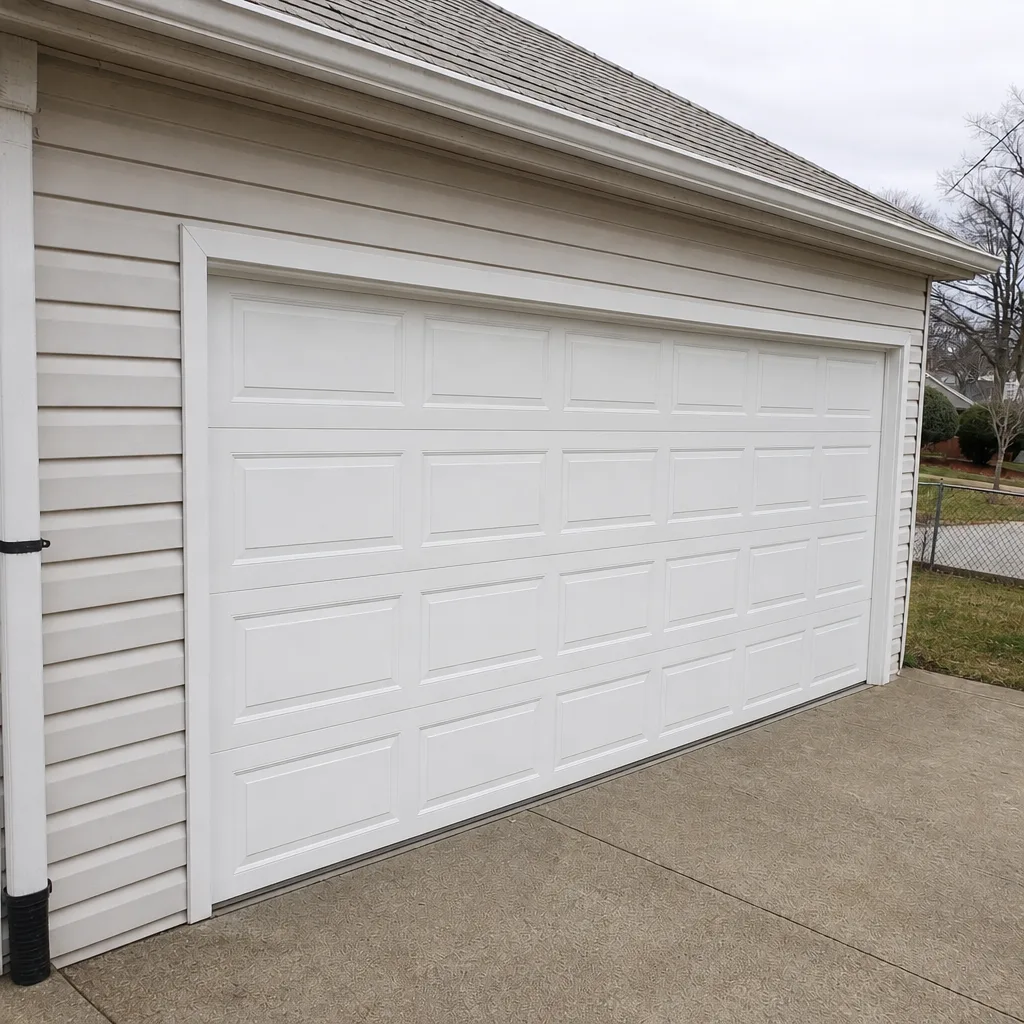 After
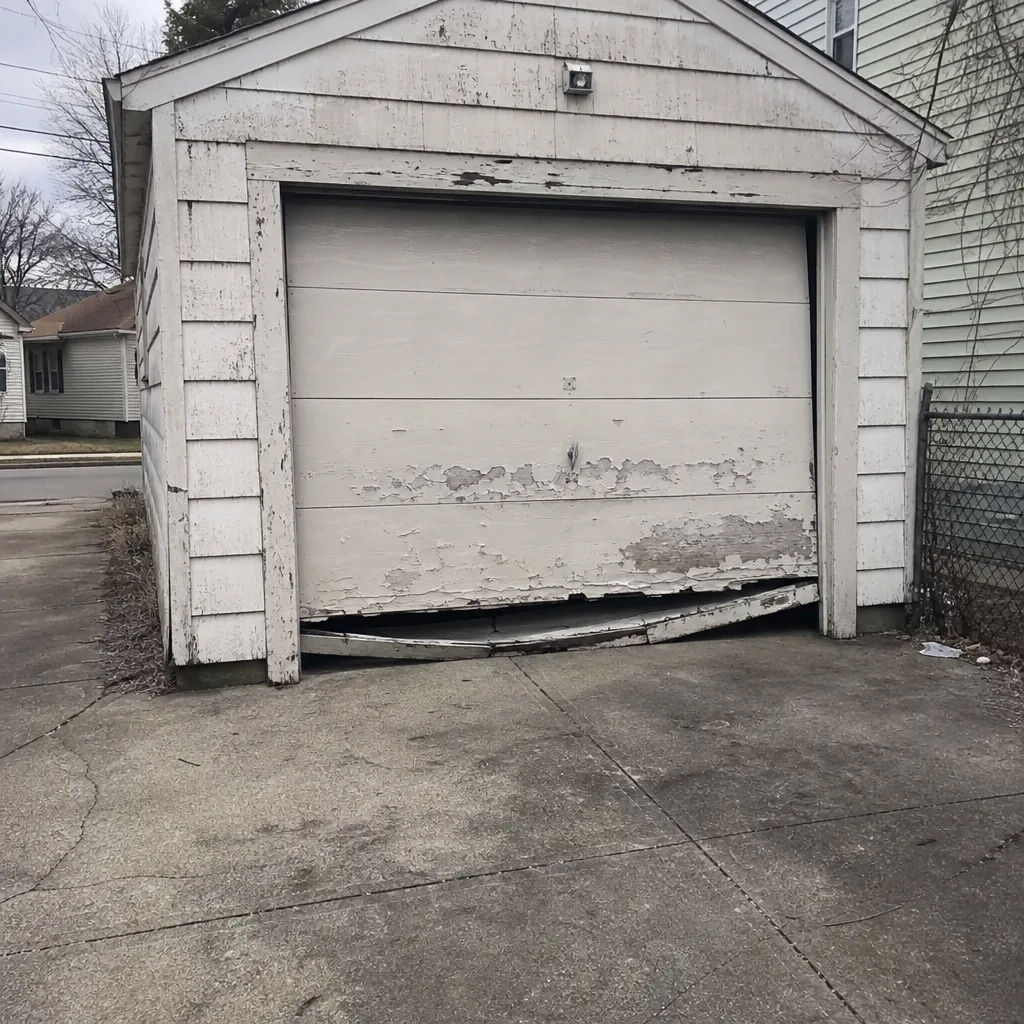 Before
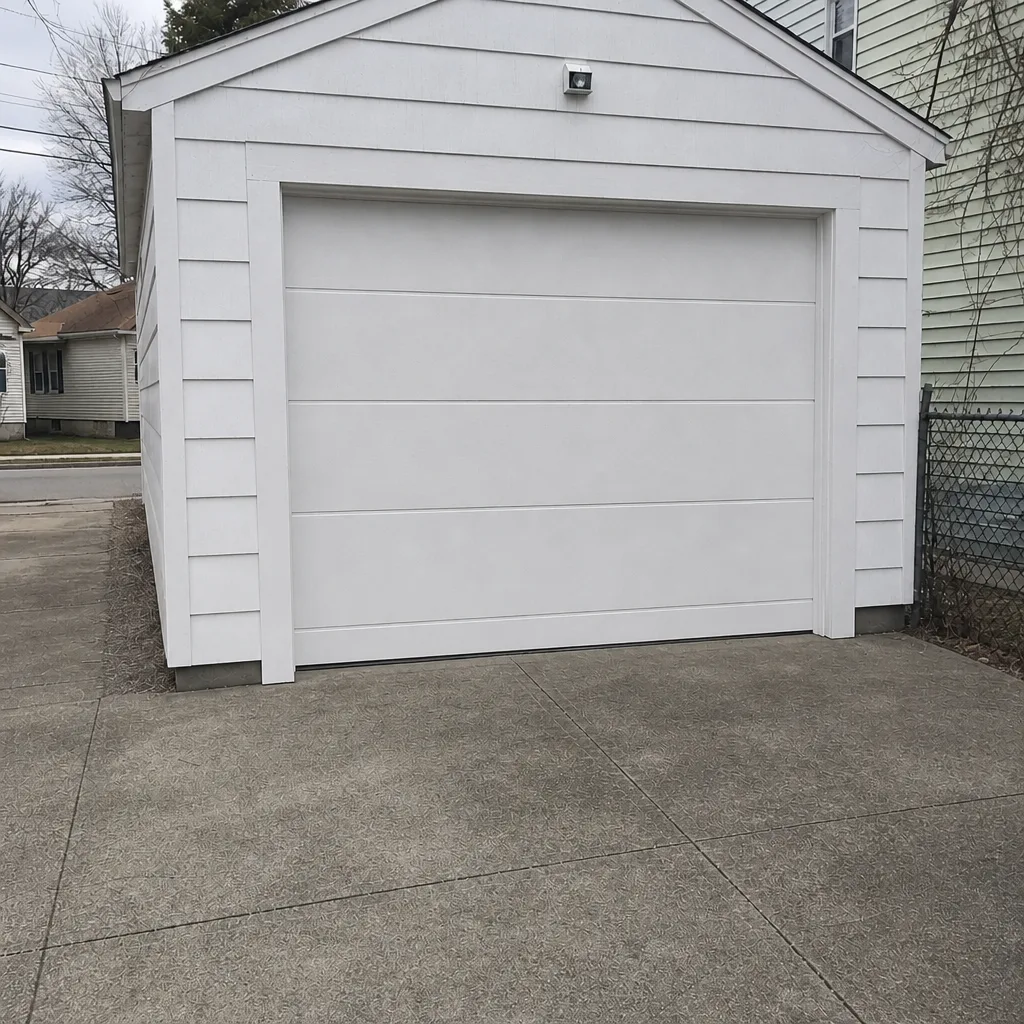 After
When to Call a Professional
Some seasonal work belongs in your own hands. Several situations call for a professional, and the sooner the better. If you’re seeing a door that’s heavy to lift, a spring that’s clearly lost tension, or a door that won’t hold its balance, that’s a spring problem and needs a trained technician. If the door comes off its track, runs rough or rattles, or has a bent track, that’s a track and alignment issue that only gets worse if ignored. If the opener hesitates, reverses for no reason, or won’t respond after a battery change, the opener itself needs a look. If the bottom seal has failed or the door won’t seal against the weather, that’s a small job that prevents bigger water damage next winter.
Pawtucket Garage Door Repair offers free estimates in Pawtucket. Call (866) 947-9783. We answer 24/7. Fast dispatch from 7am to 7pm, Sunday through Friday. Our technicians have up to 12 years of experience across the leading brands, and the written estimate sets the price before any work begins.
Frequently Asked Questions
Start in late October and finish by early November, before the first hard freeze. The prep work is testing the bottom seal, lubricating hinges and rollers, checking the door’s balance, inspecting the weatherstripping, clearing the tracks, and testing the safety sensors. Doing it before the freeze prevents the most common winter failures.
A slight hesitation in very cold weather is normal, but a door that opens partway or only responds when you’re close usually points to a weak remote battery or stiff rollers, not a failing motor. Check those first. If the problem persists after a battery change and lubrication, the opener itself may need service. Call (866) 947-9783 for a free estimate if you want it looked at.
Water from melting snow or rain gets under the door and refreezes overnight, bonding the rubber seal to the concrete. A worn or cracked seal makes it worse. Replacing a failing seal before winter and keeping the garage floor dry slows the problem considerably. Never force a frozen door open – free the seal first.
No. Torsion and extension springs are under extreme tension and can release violently, which is why we treat spring repair as a dedicated, safety-critical service. It’s not a DIY job, and the injury risk is serious. Call a trained technician instead. Free estimates are available at (866) 947-9783.
Inspect your door for freeze-thaw damage to the springs, tracks, and weather seals, test the balance by hand, and check the opener’s operation. The bottom seal is usually the most damaged part. If anything looks off, get a professional assessment before the problem gets worse.
Keep the finish intact and touch up bare spots promptly, clean with a damp cloth instead of a power washer, keep the bottom seal intact, and let air move through the garage. That slows warping without replacing the door.
The Bottom Line
Garage door care in Pawtucket comes down to two checkpoints: the late-fall prep before the first hard freeze, and the spring inspection once the cold is past. Between them, the freeze-thaw cycle is what does the damage, not any single storm. Handle the simple tasks yourself – testing the balance, lubing the moving parts, replacing remote batteries, and inspecting the seals – and leave spring, cable, and track work to a trained professional. Most winter problems start with a seal that should have been replaced in October. A little attention at the right time of year saves a lot of trouble in January.
Call (866) 947-9783 for a free estimate. We answer 24/7. Fast dispatch from 7am to 7pm, Sunday through Friday. We work on the brand you already have, from a single broken panel to a full new door, and the price is quoted in writing before any work starts.
Written by the team at Pawtucket Garage Door Repair.